

1. Public space drives urban transformation.
Thriving cities are shaped by great public spaces. We design parks, streets, and civic spaces that reconnect neighborhoods, attract investment, support local businesses, and transform downtowns into vibrant, walkable destinations where urban life thrives.
Culver Steps
Los Angeles, CA
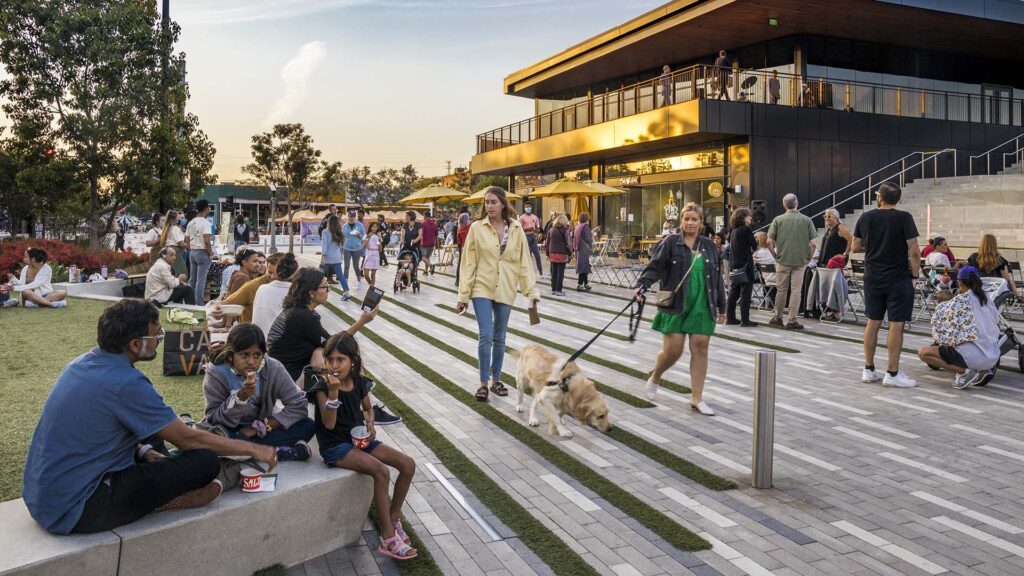
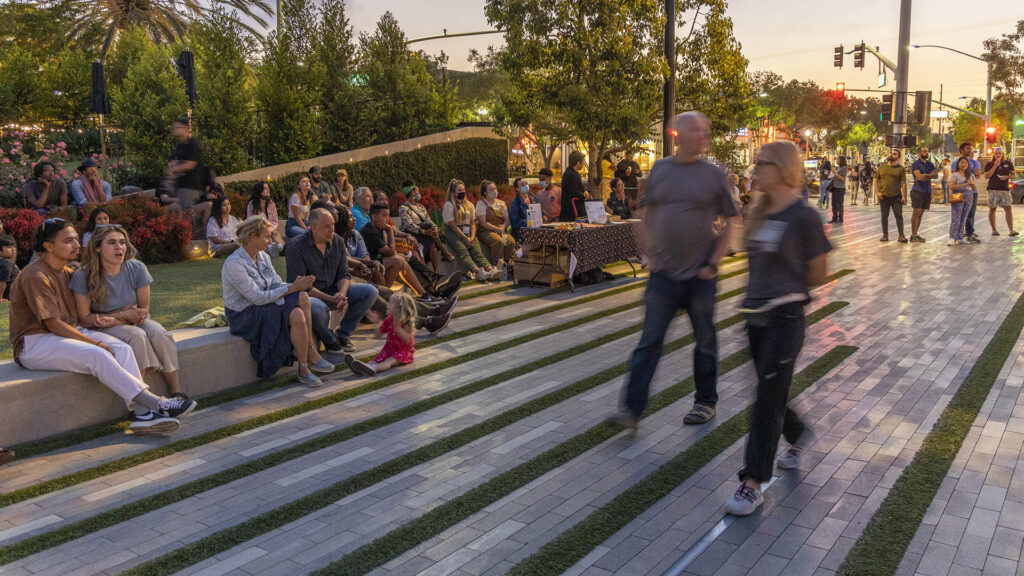
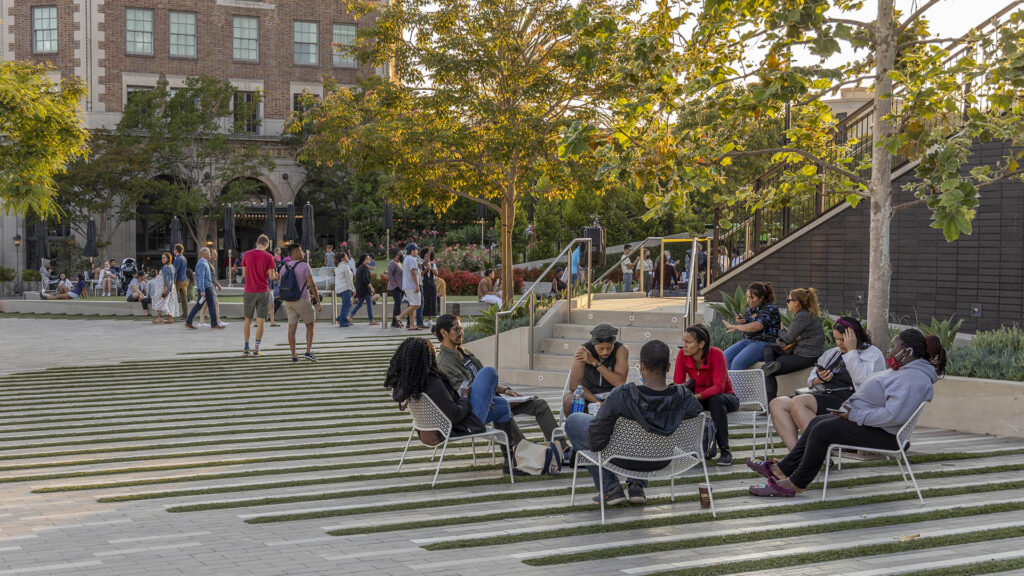
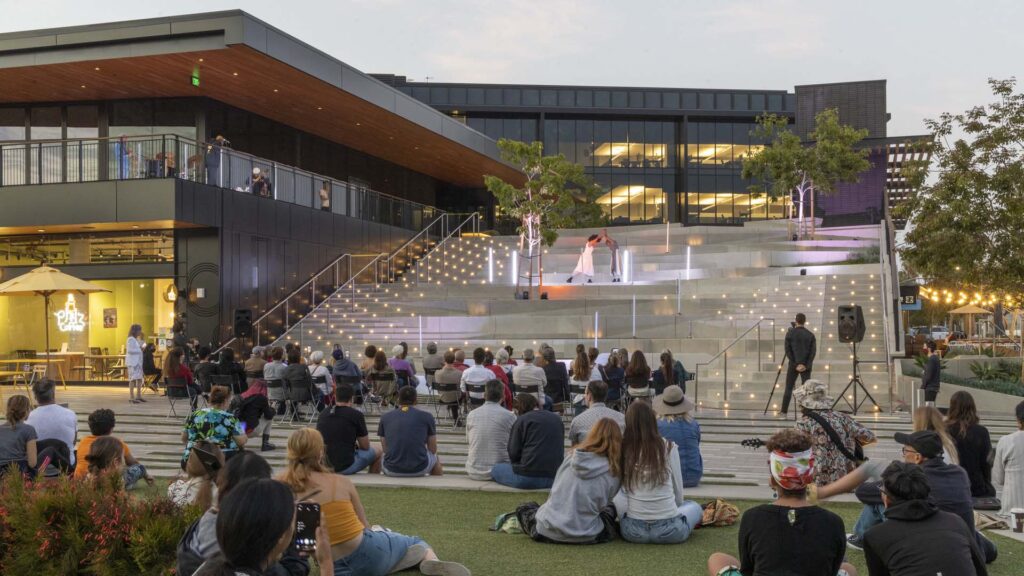
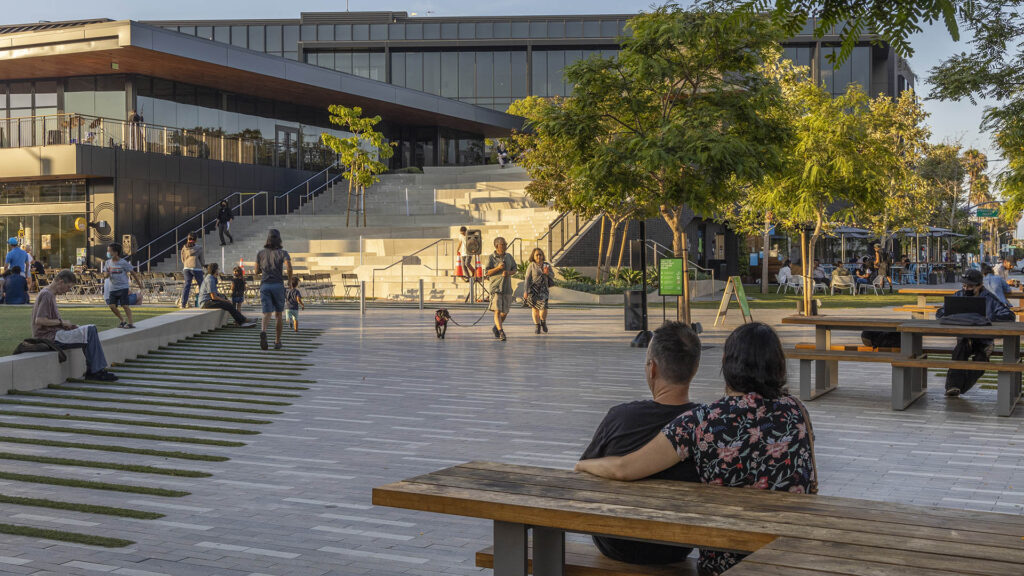
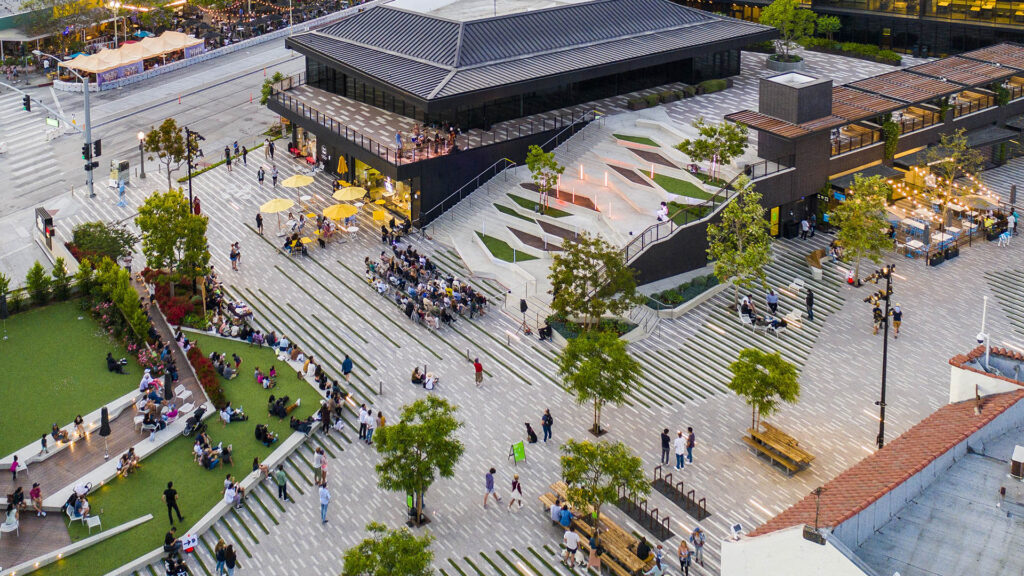
In Culver City, SWA’s Culver Steps demonstrates this potential: a public-private collaboration turning underused street space into a lively, accessible outdoor destination. Flanked by the historic Culver Studios and Culver Hotel, sculpted stepped terraces from a private development extend into an adjoining street-level plaza, creating one continuous civic space that unifies surrounding buildings for gathering, shade, and performance. The project reinterprets Culver City’s “maker tradition” for the present, anchoring transit, culture, and dining.
Guthrie Green Park
Tulsa, OK
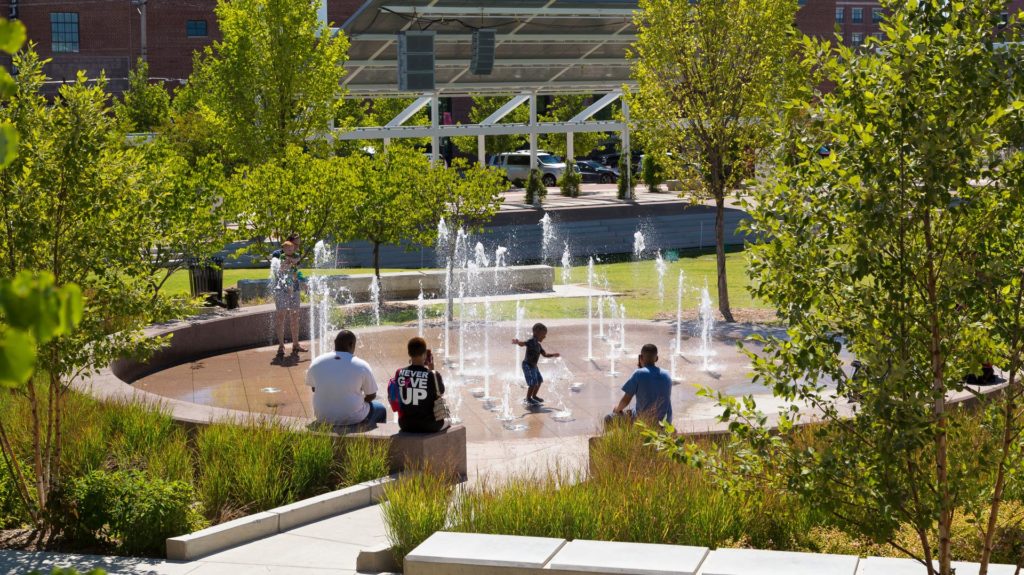
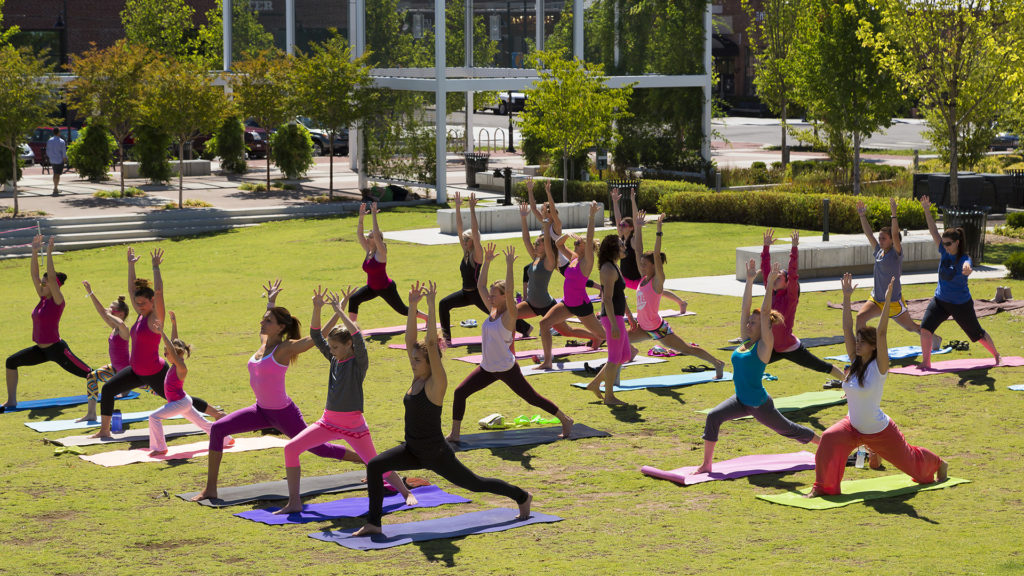
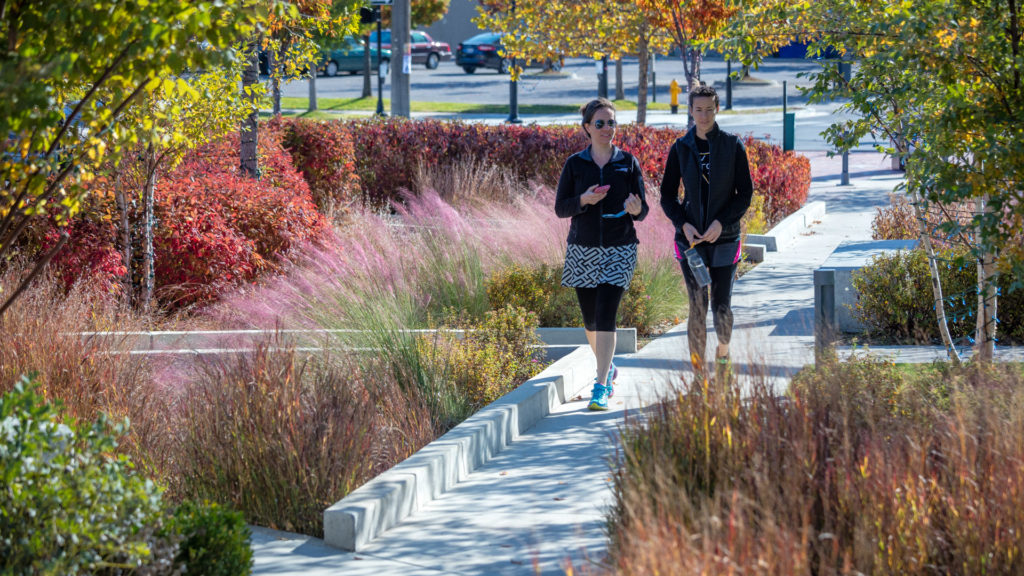
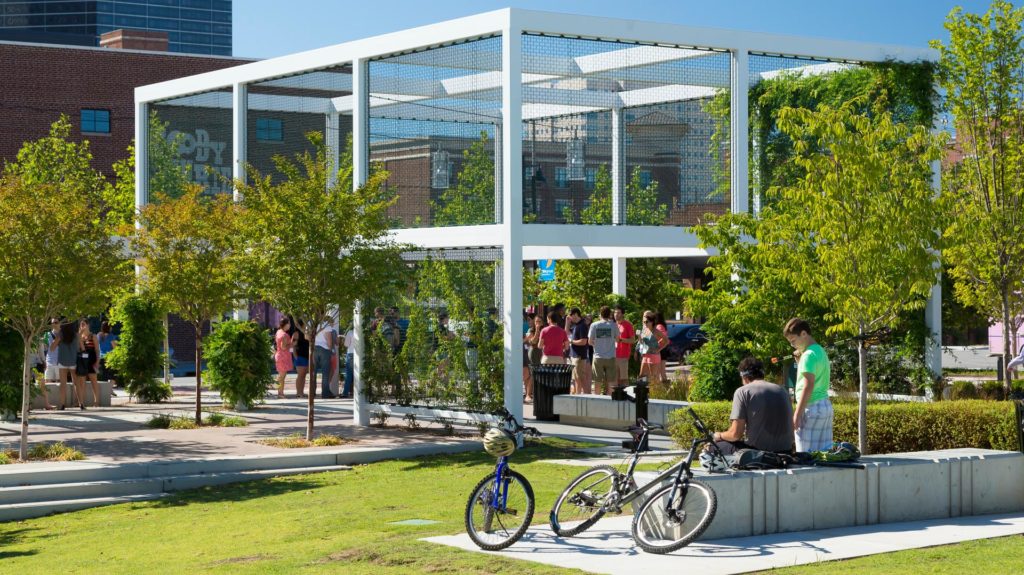
Guthrie Green transforms a 2.6-acre truck yard into a lively urban park in the heart of downtown Tulsa’s emerging arts district. Opened in September 2012, Guthrie Green has become the area’s leading destination, drawing 3,000-plus people weekly to activities that have enriched the urban experience and spurred district-wide revitalization. The high-performance park includes a geo-exchange system that reduces energy costs for a nearby nonprofit arts center, providing a model for sustainable public realm landscape.
Sava Promenada
Belgrade, Serbia
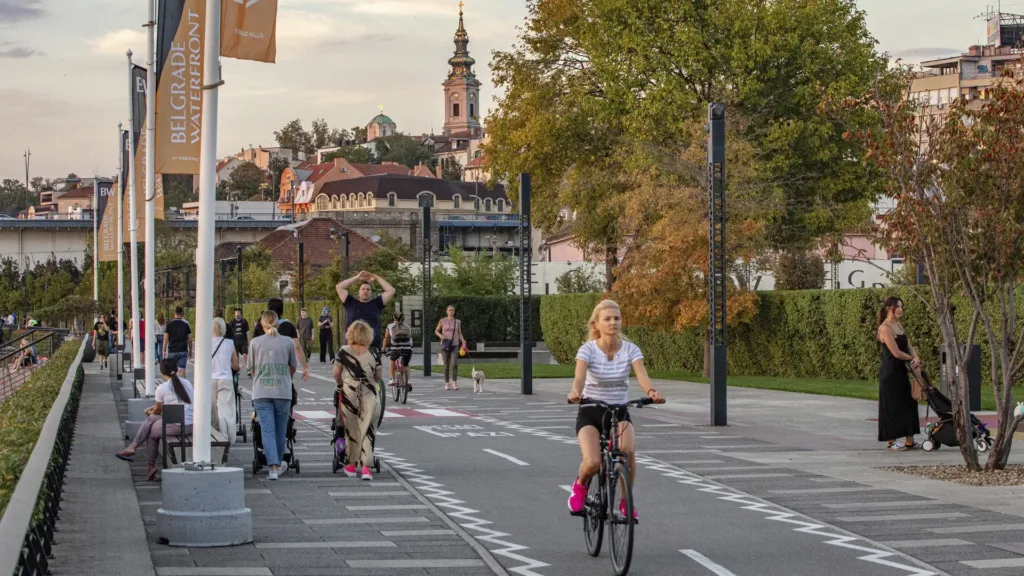
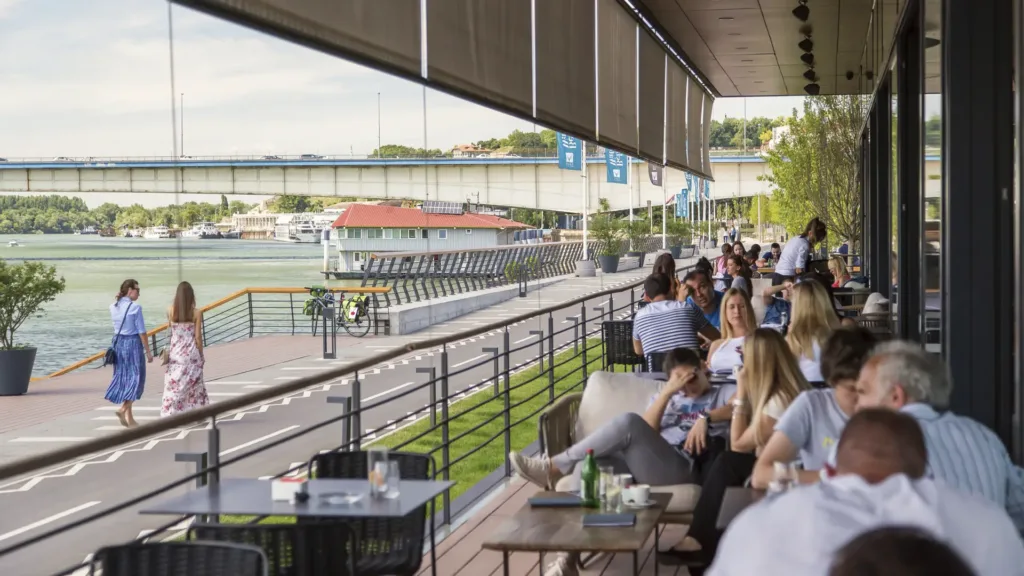
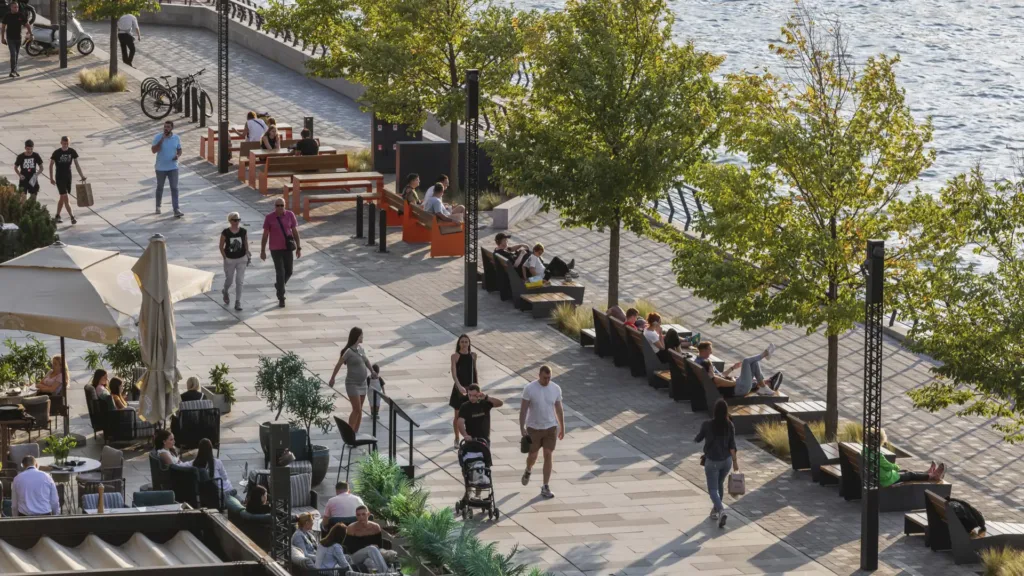
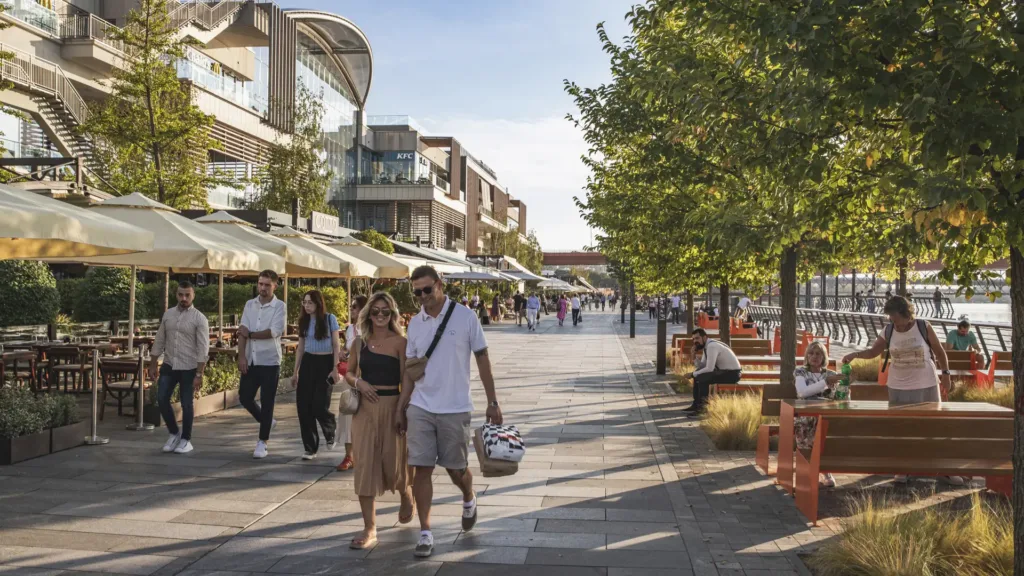
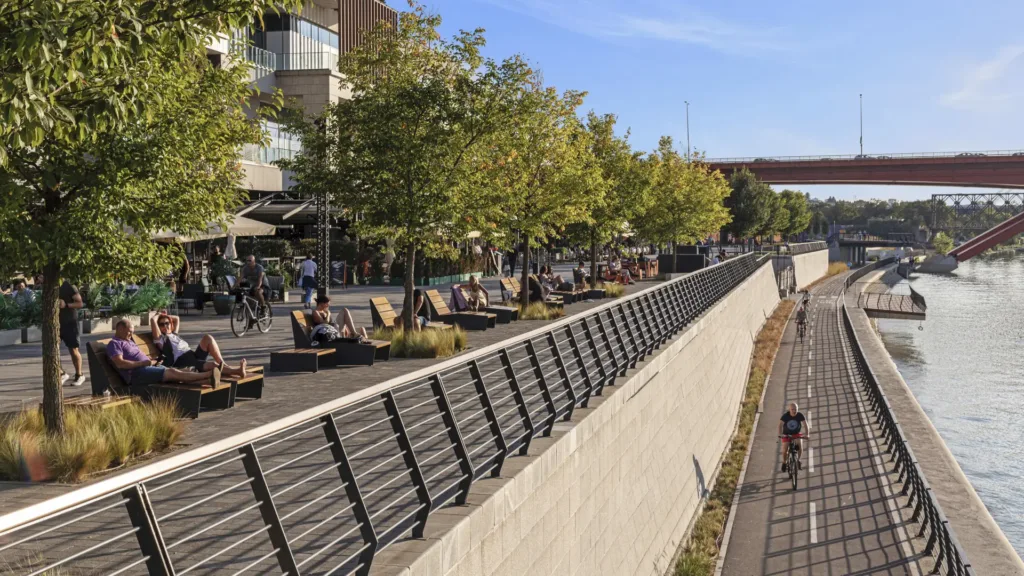
This one-million-square-meter waterfront development, Serbia’s largest regeneration project, creates a world-class, sustainable destination for civic and cultural life, forging connections to the Sava River where none previously existed. SWA’s design established a series of places that support year-round programming, with local culture reflected in details such as reused railway parts from the site’s industrial core. Planned transit, stormwater, and digital infrastructure shape walkable neighborhoods incorporating existing floating restaurants and bars, while waterside improvements serve the cyclists and fishermen long present on this post-industrial edge landscape.
Pacific Plaza
Dallas, TX
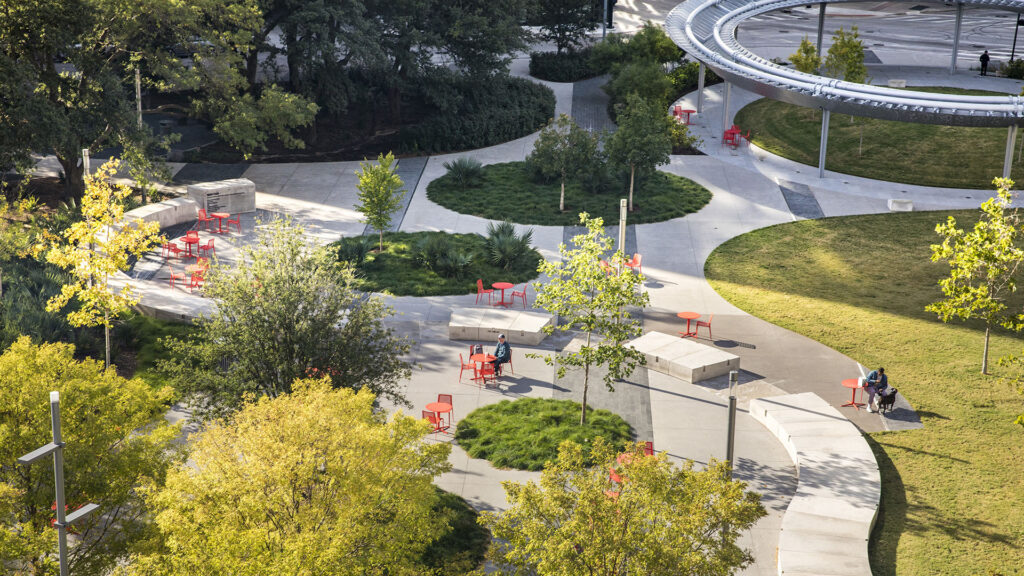
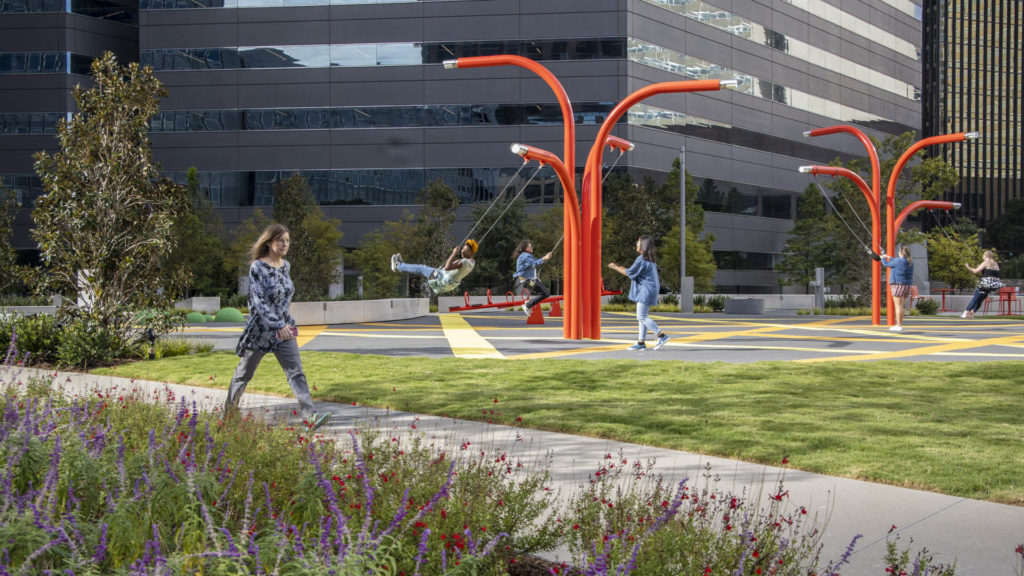
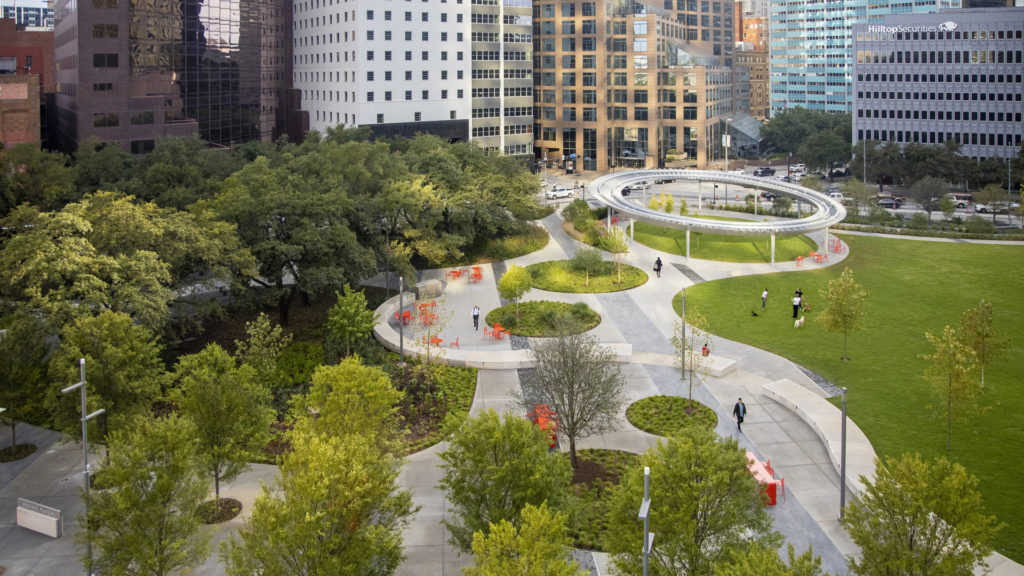
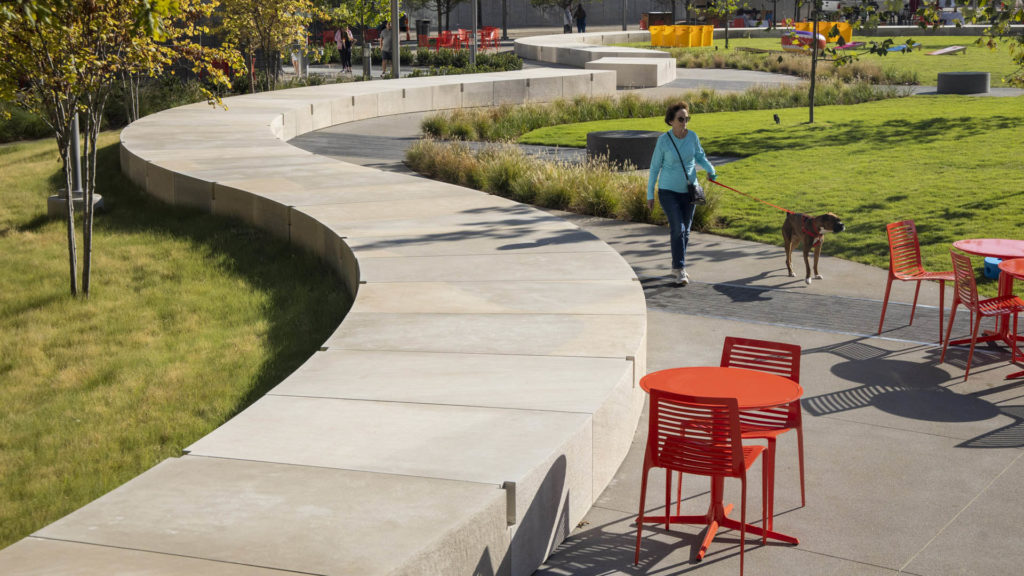
Pacific Plaza is an essential part of Downtown Dallas’ renaissance. The 3.89-acre public park serves the central business district’s burgeoning population and contributes substantially to the city’s outdoor experience. The design involved the integration of an existing stand of mature Live Oaks (Aston Grove) by way of closure of a bisecting street. The design also elevates a busy corner away from street traffic and noise, orienting users toward a one-acre, multi-purpose central lawn. The park’s 95-by-138-foot pavilion subtly recalls the area’s history with steel panels perforated in Morse Code signatures for every local stop along the Texas and Pacific Railroad between New Orleans and El Paso. “The Thread” (a solid, 611-foot-long seatwall that traverses the entire plaza) unifies the park into a cohesive whole, offering expansive, restorative spaces for residents and visitors alike.
Riverside Park South
New York, NY
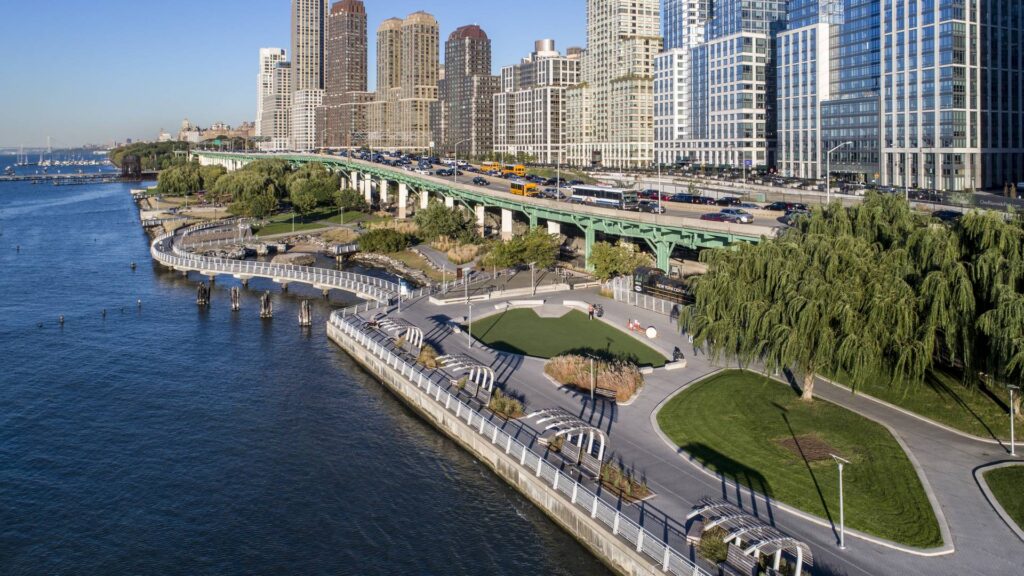
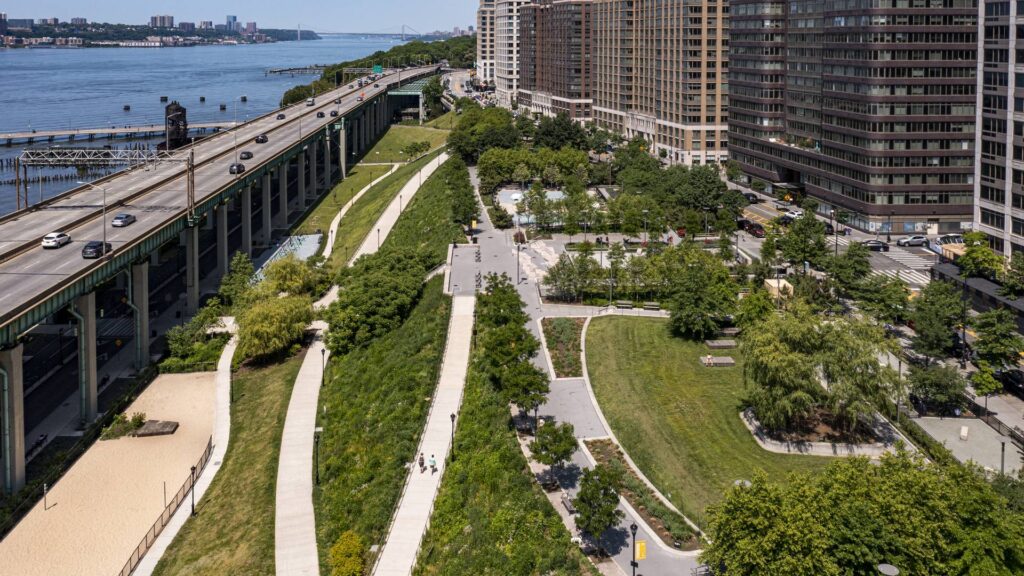
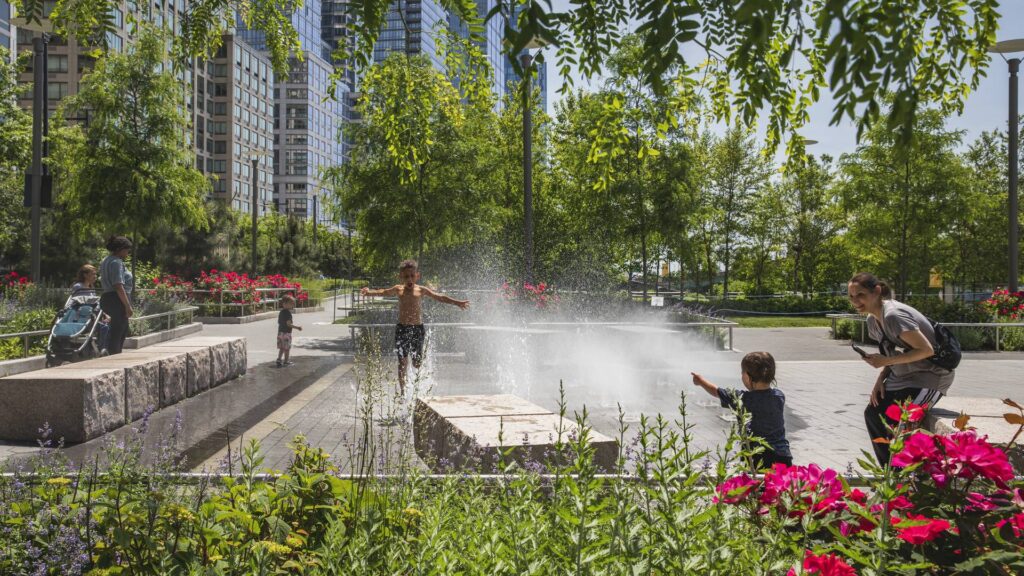
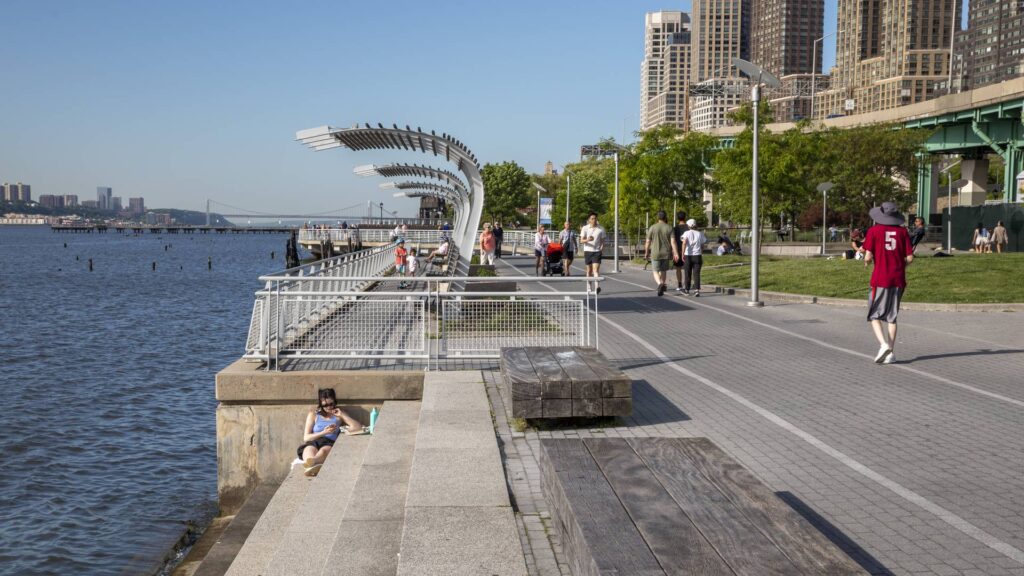
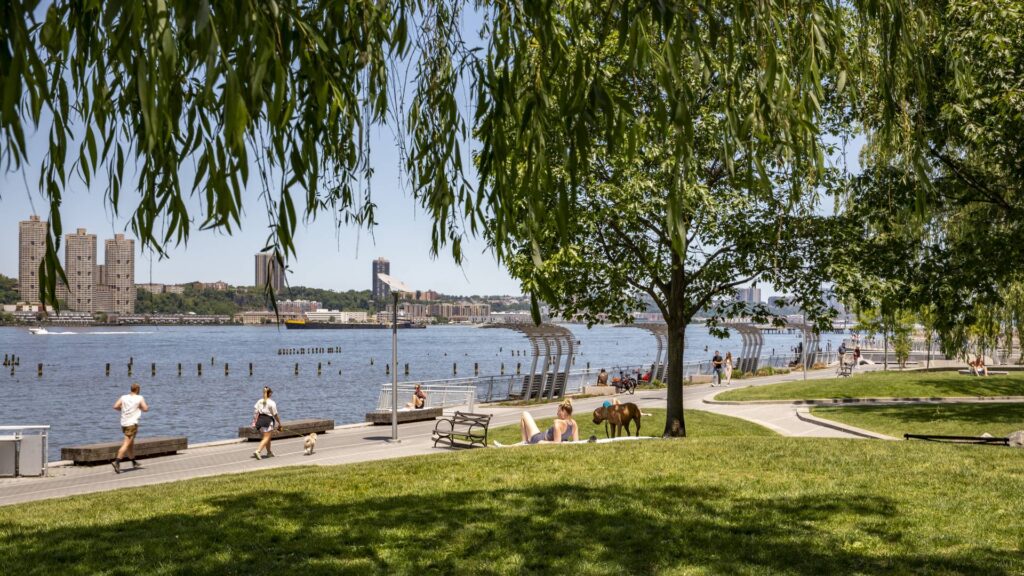
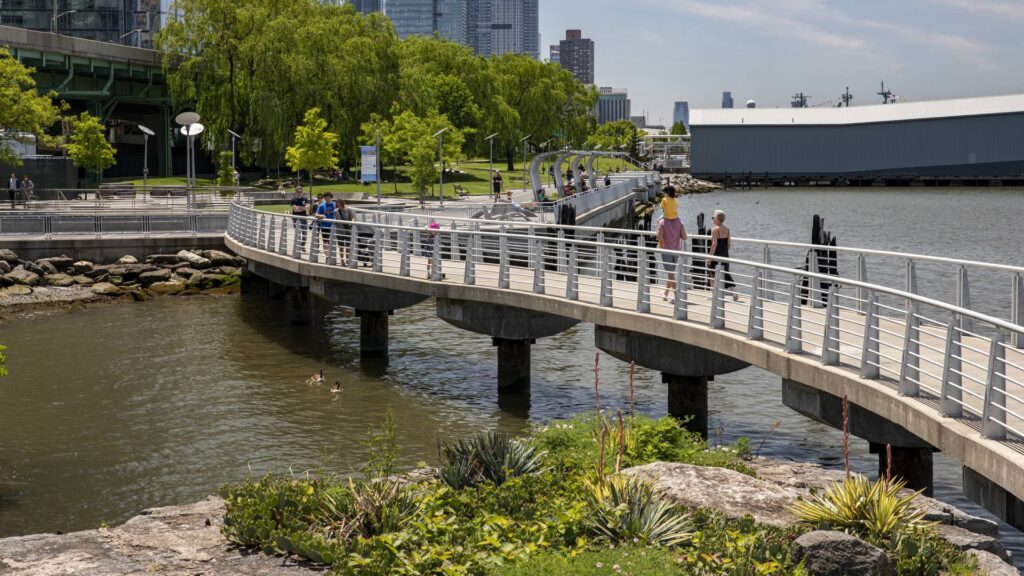
Located on the West Side of Manhattan on the scenic Hudson River, Riverside Park South is a multiphase project of sweeping ambition and historic scope. Combining new green space, new infrastructure, and the renovation of landmark industrial buildings, the plan is an extension of Frederick Law Olmsted’s famed Riverside Park, carrying it a further 13 blocks beyond its traditional southern boundary. The scheme calls for the elevated Miller Highway (long a barrier between the city and its waterfront) to be replaced by an underground tunnel topped by lawns and surface streets, affording unimpeded access from upland neighborhoods to the parks and paths along the river.
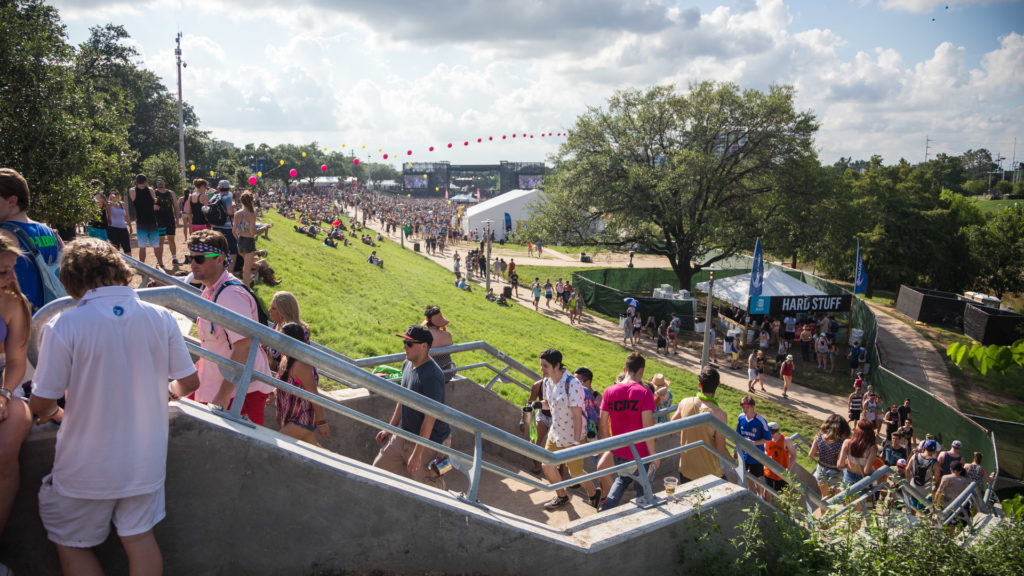
Buffalo Bayou Park
Houston, TX
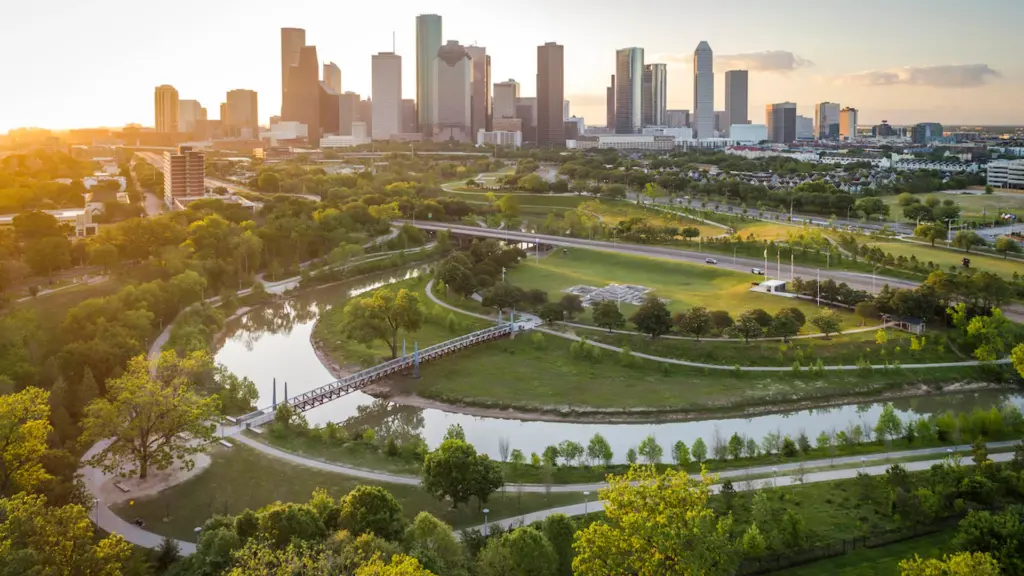
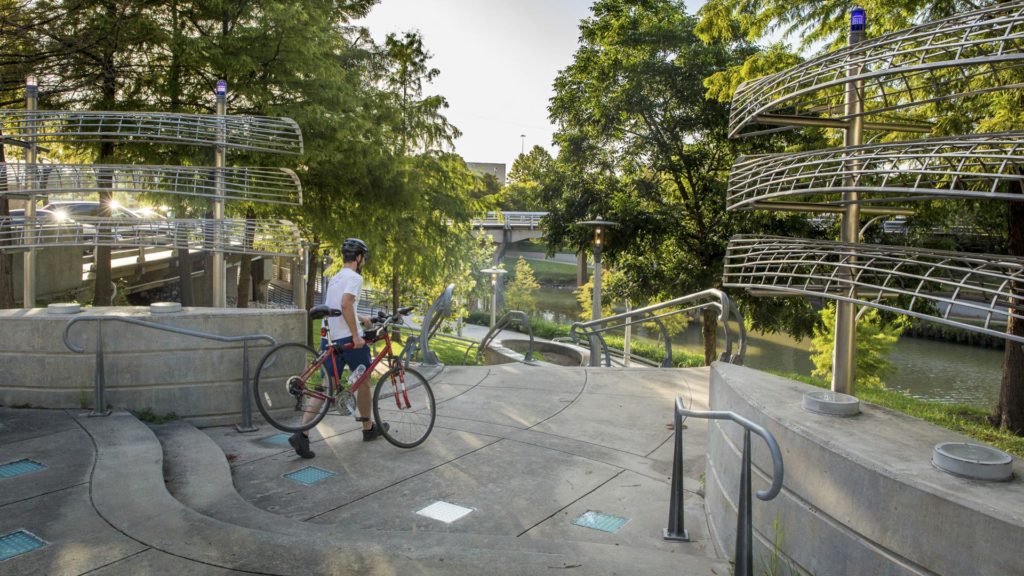
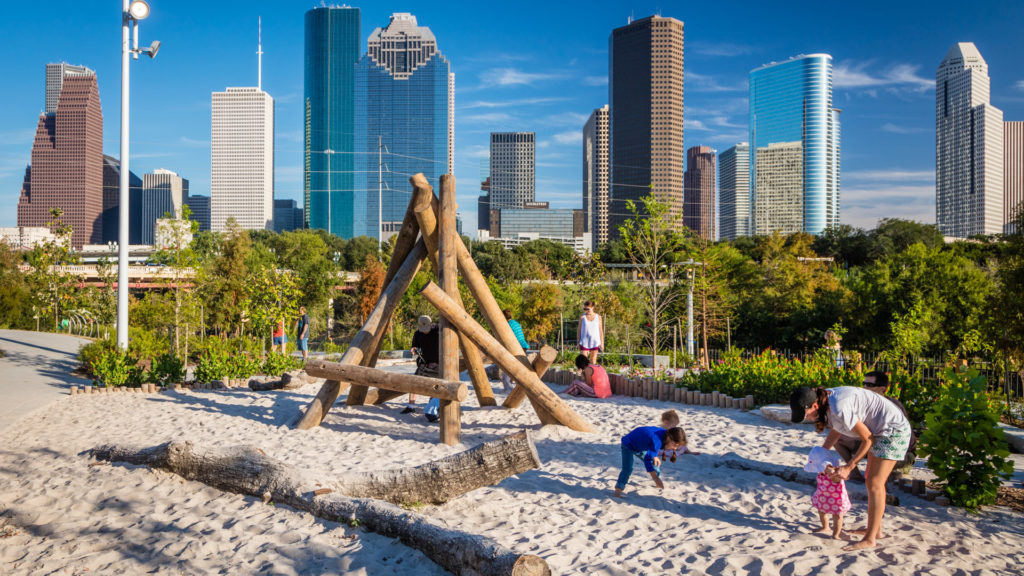
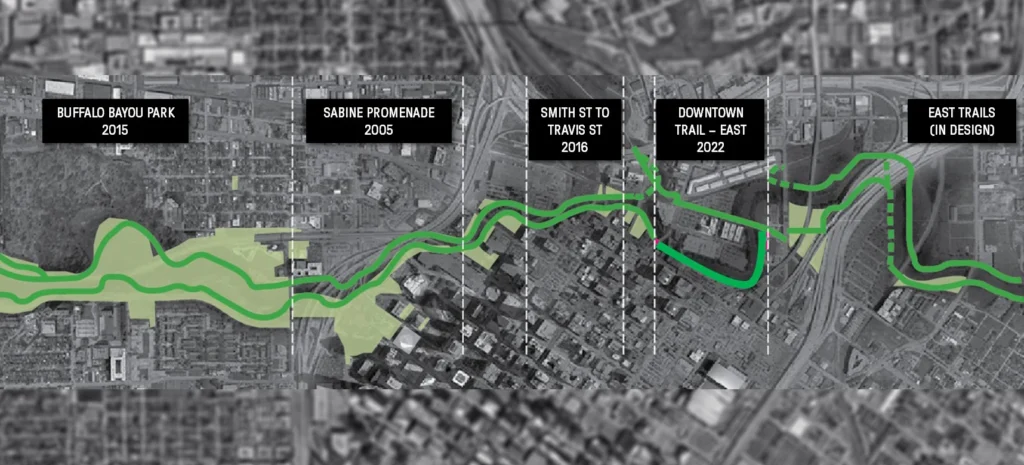
Buffalo Bayou Park tells the story of a derelict drainage basin, once hidden beneath tangled highway infrastructure, transformed into treasured parkland in the heart of Houston. This renovated 160-acre space advances urban ecological services and pedestrian accessibility, with four new bridges linking surrounding neighborhoods—standing as a model of resilience after emerging unscathed from Hurricane Harvey. Channel stabilization techniques enhance the bayou’s natural meanders, increasing flood resiliency while preserving this culturally significant waterway. Lighting, plantings, and walkways are designed to withstand periodic flooding, while continuous trails, public art, and safety provisions give Houstonians broad access to the site’s unique ecology.
Hunter’s Point South Park
Queens, NY
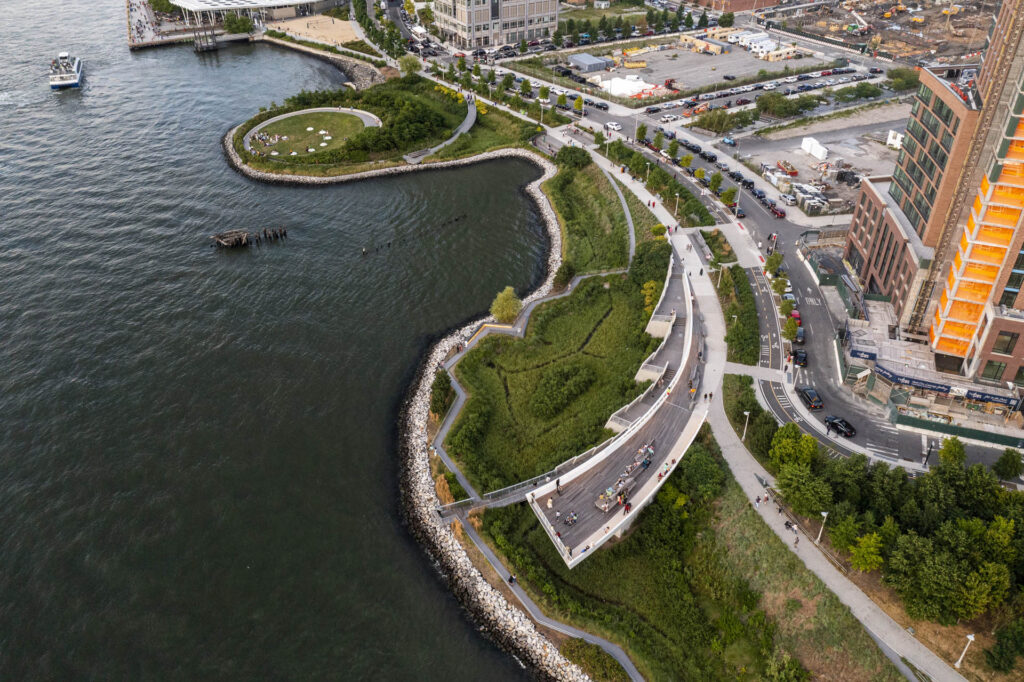
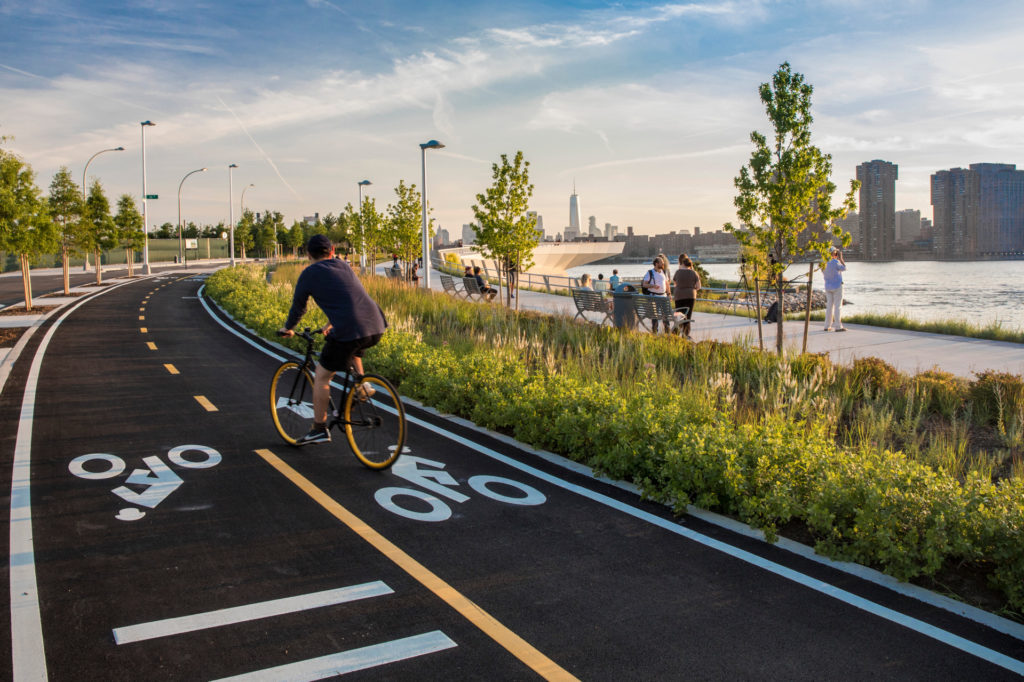
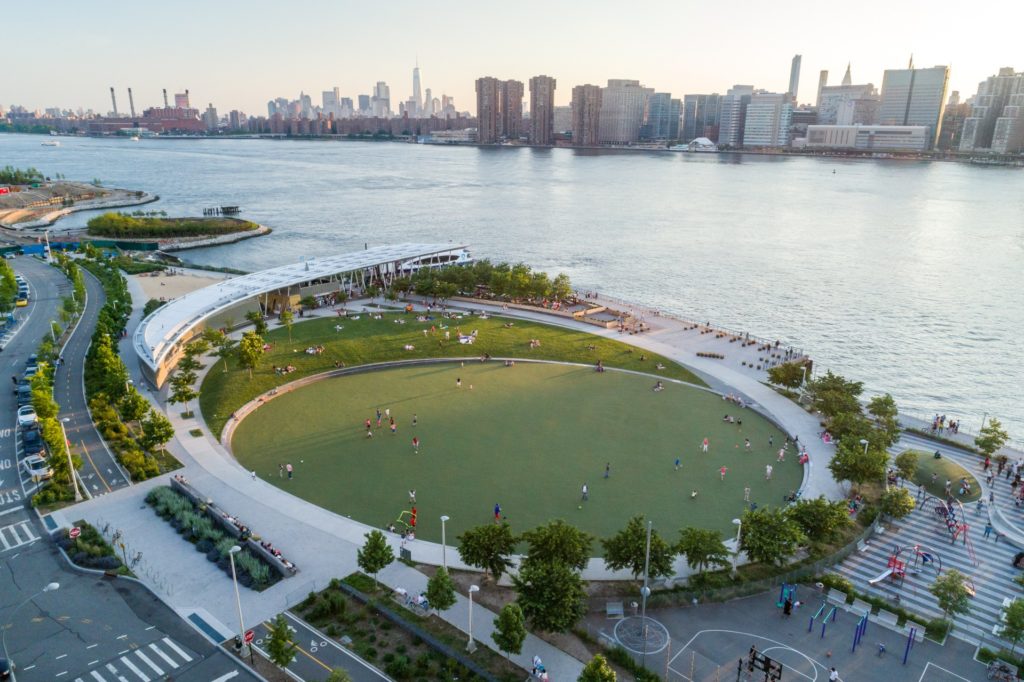
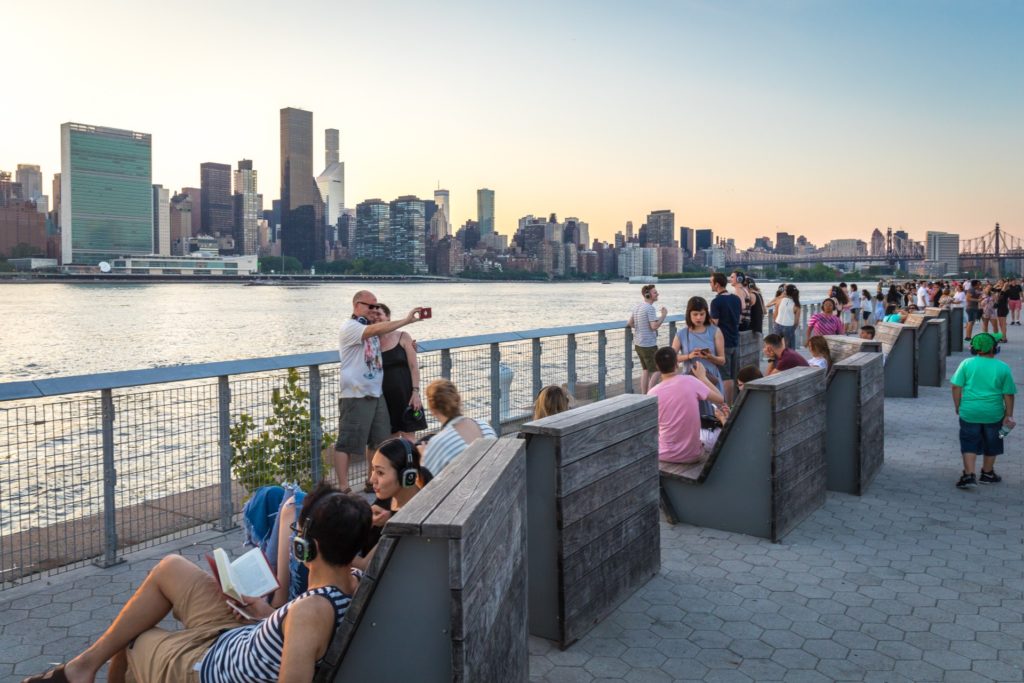
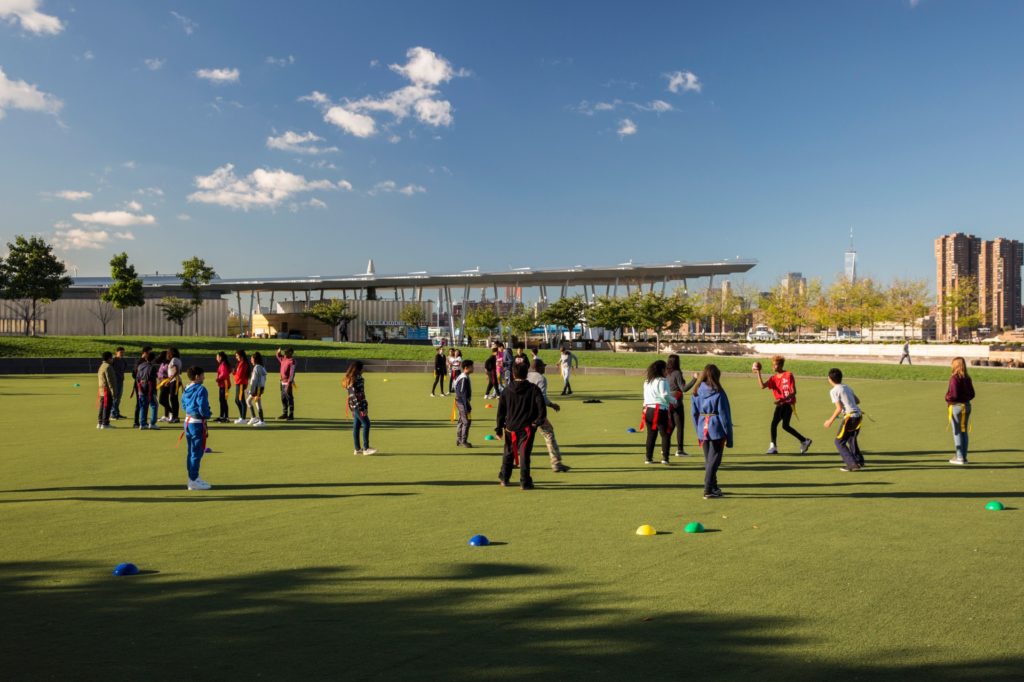
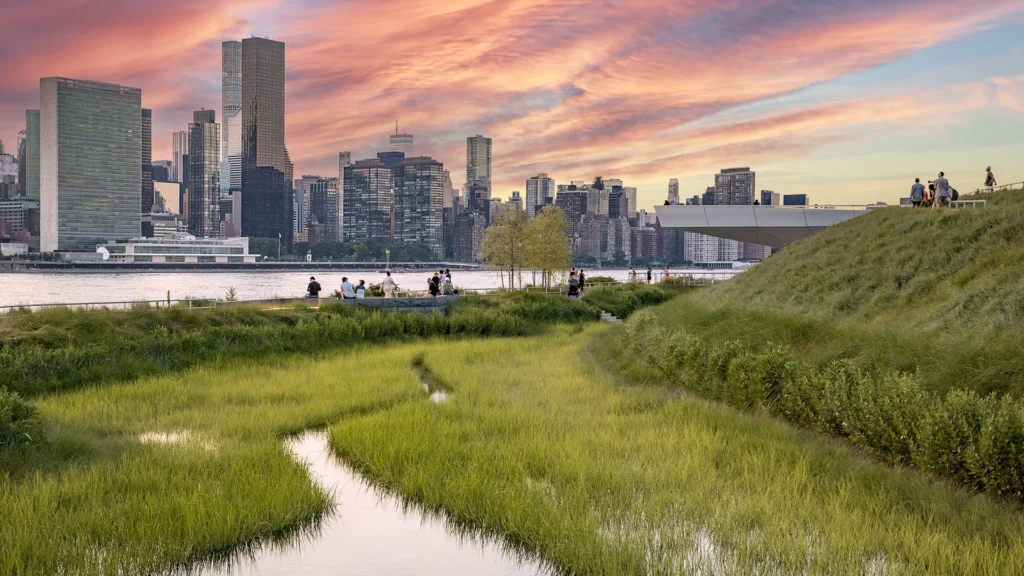
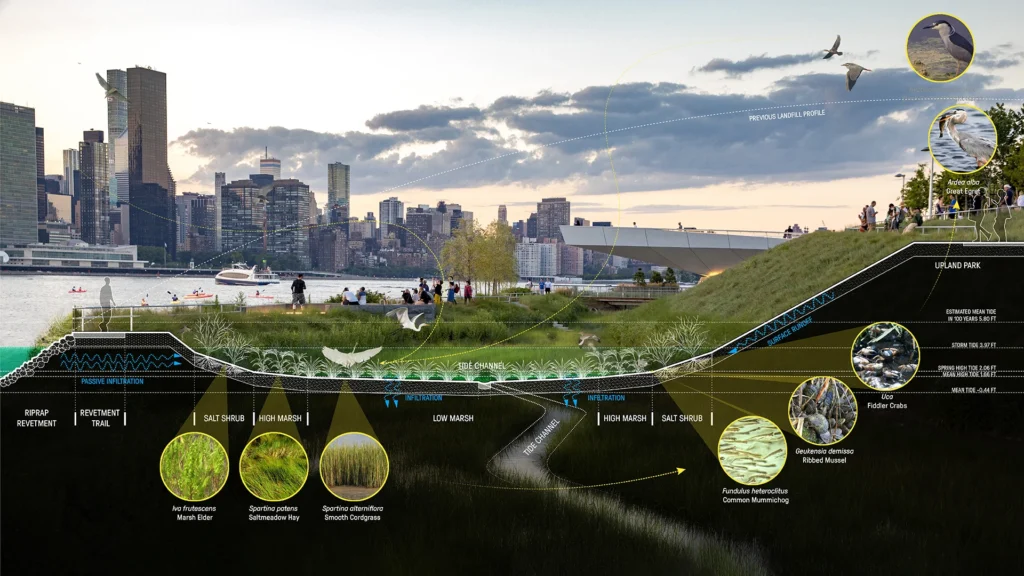
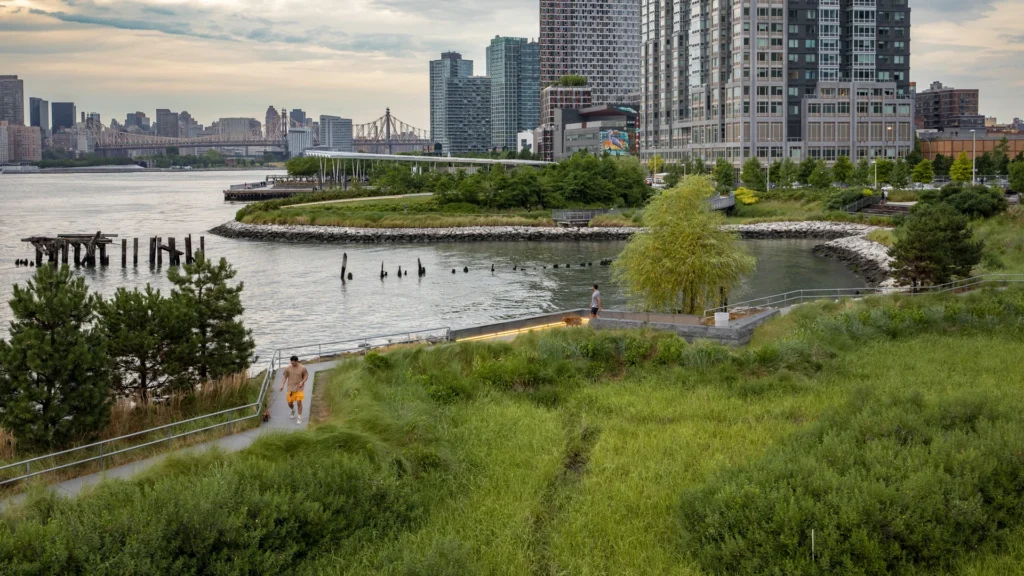
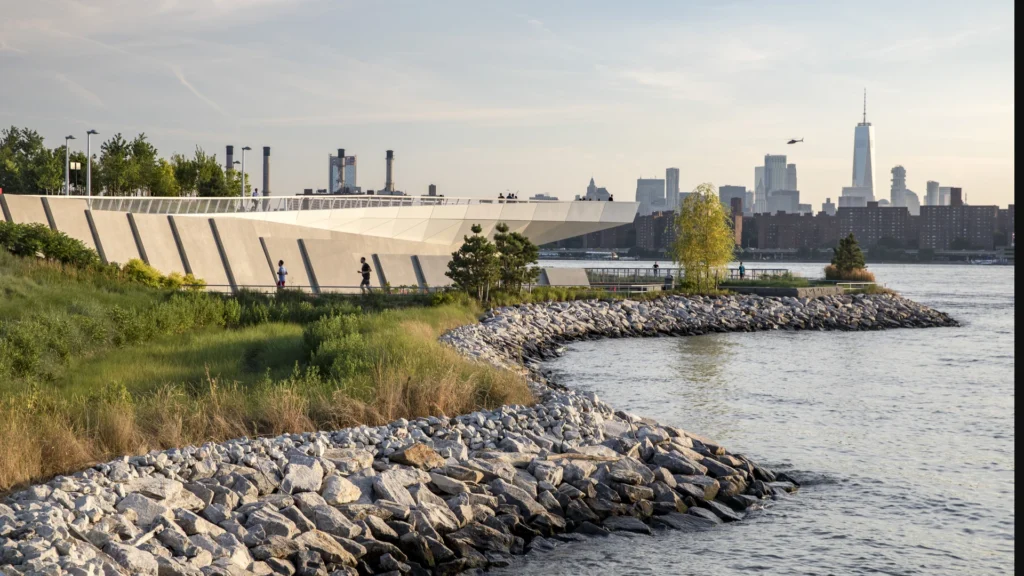
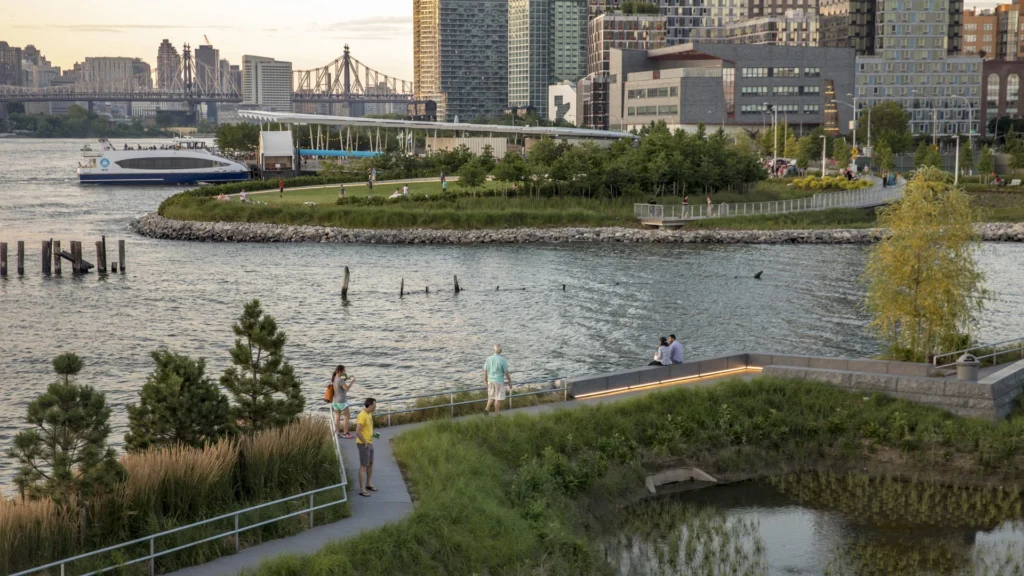
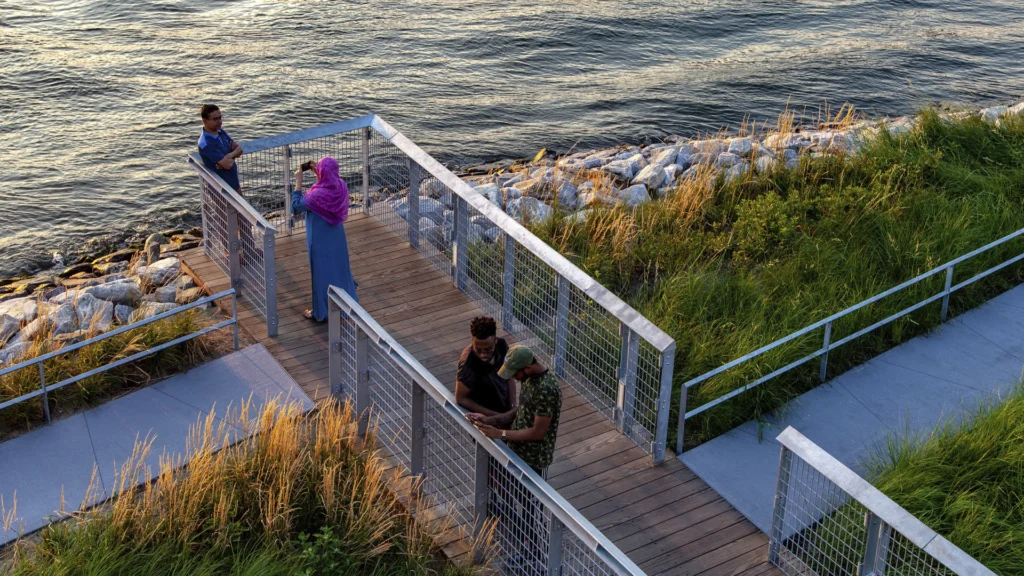
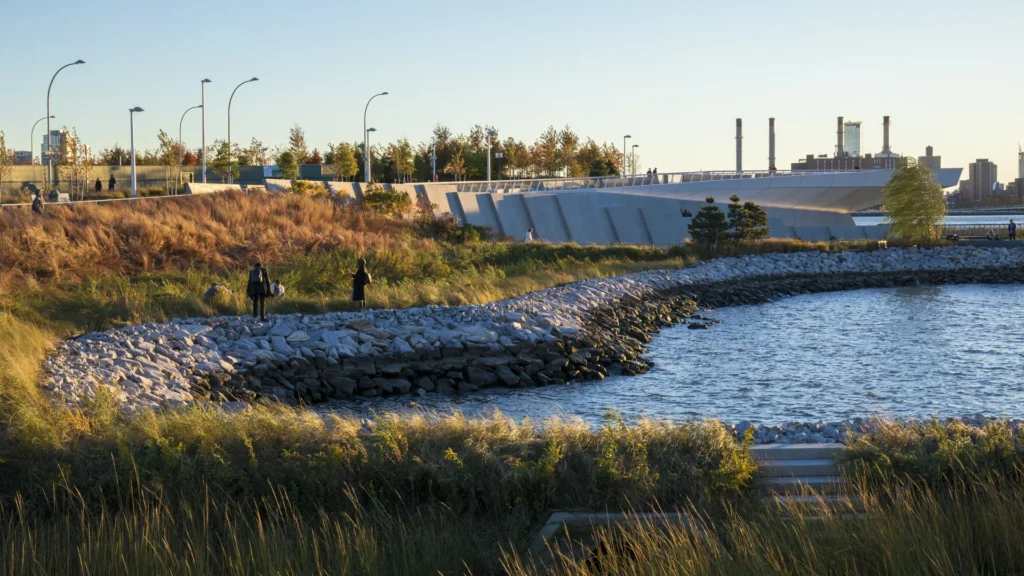
Hunter’s Point South Waterfront Park stands as an international model of urban ecology, transforming a once-barren post-industrial site into a world-class park that is both urbane and otherworldly. The site embodies dualities, suggesting a design approach that amplifies what’s unique about the place while framing a new, multi-layered identity as a recreational and cultural destination. The project weaves infrastructure, landscape, and architecture into new open spaces connected to surrounding communities—offering access to the water’s edge and sweeping views of the Manhattan skyline.
2. Build for what’s next.
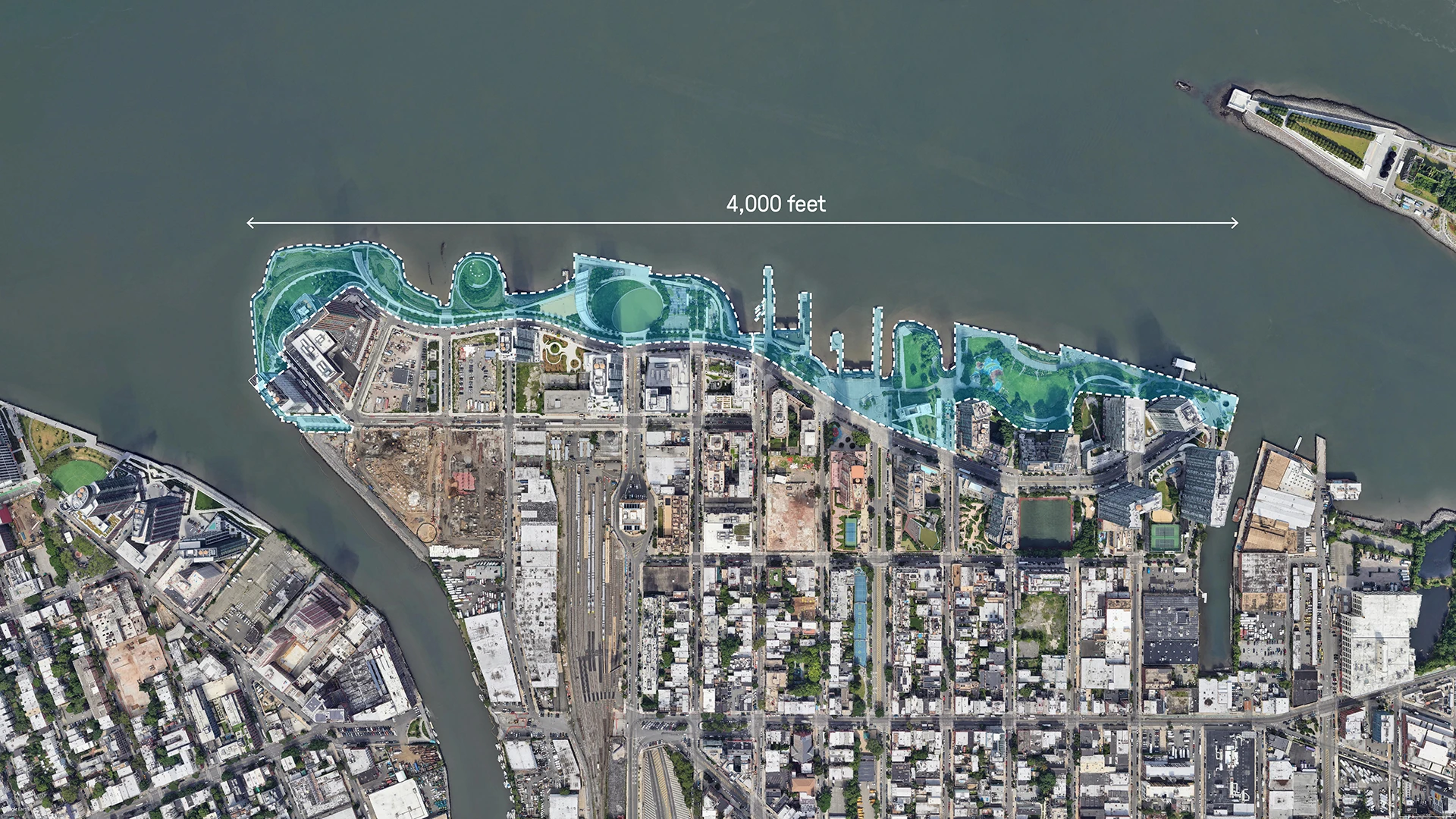
Urban waterfronts evolve over time. Our experience delivering large-scale parks through multiple phases over many years ensures that every investment creates immediate public value while incrementally realizing a long-term vision capable of adapting to changing cities and community dynamics. From pilot projects to major investments, we commit ourselves to projects for the long haul.
Hunter’s Point South Park
Riverside Park South
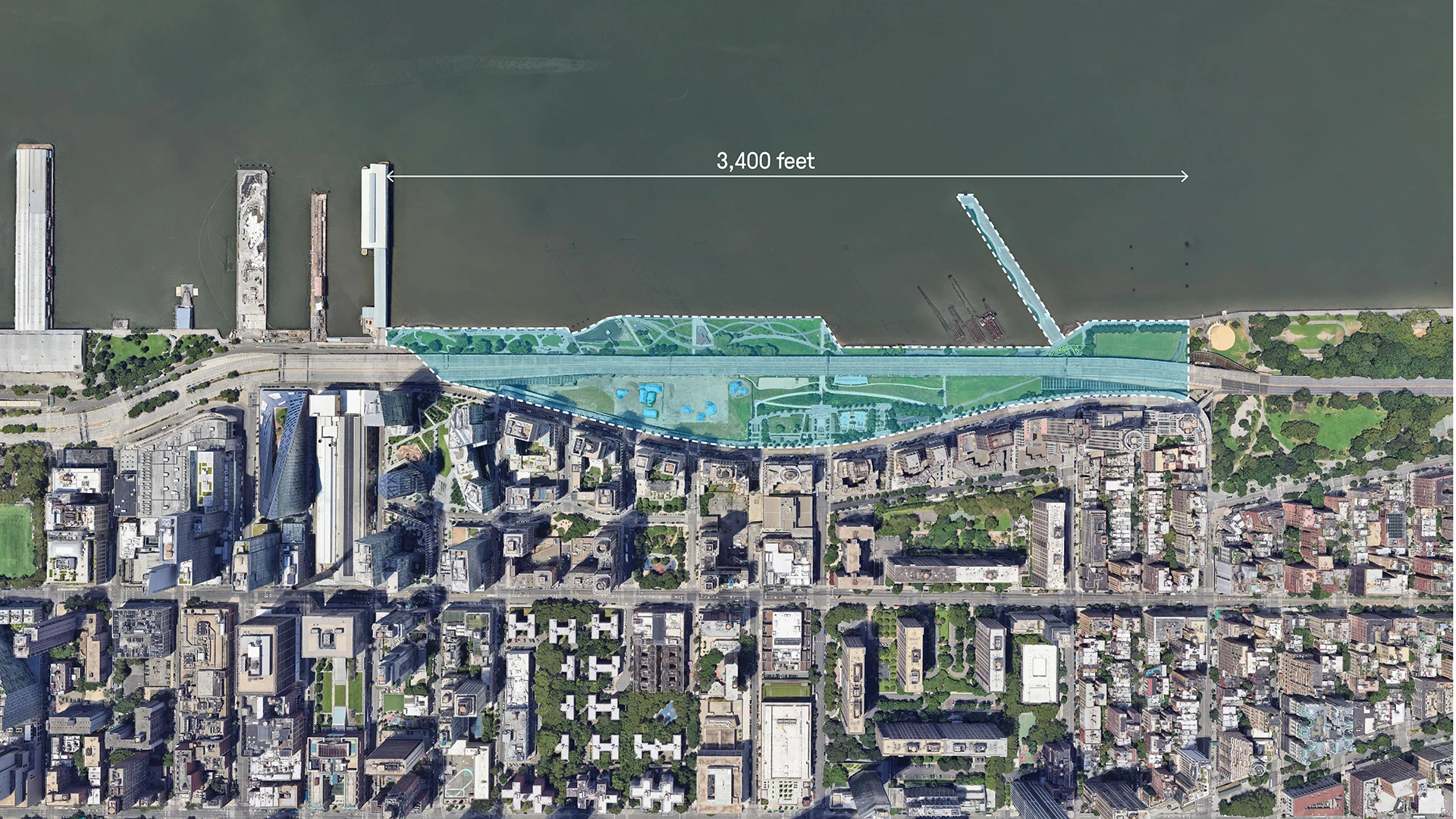
Riverside Park South
Interim and final design plan
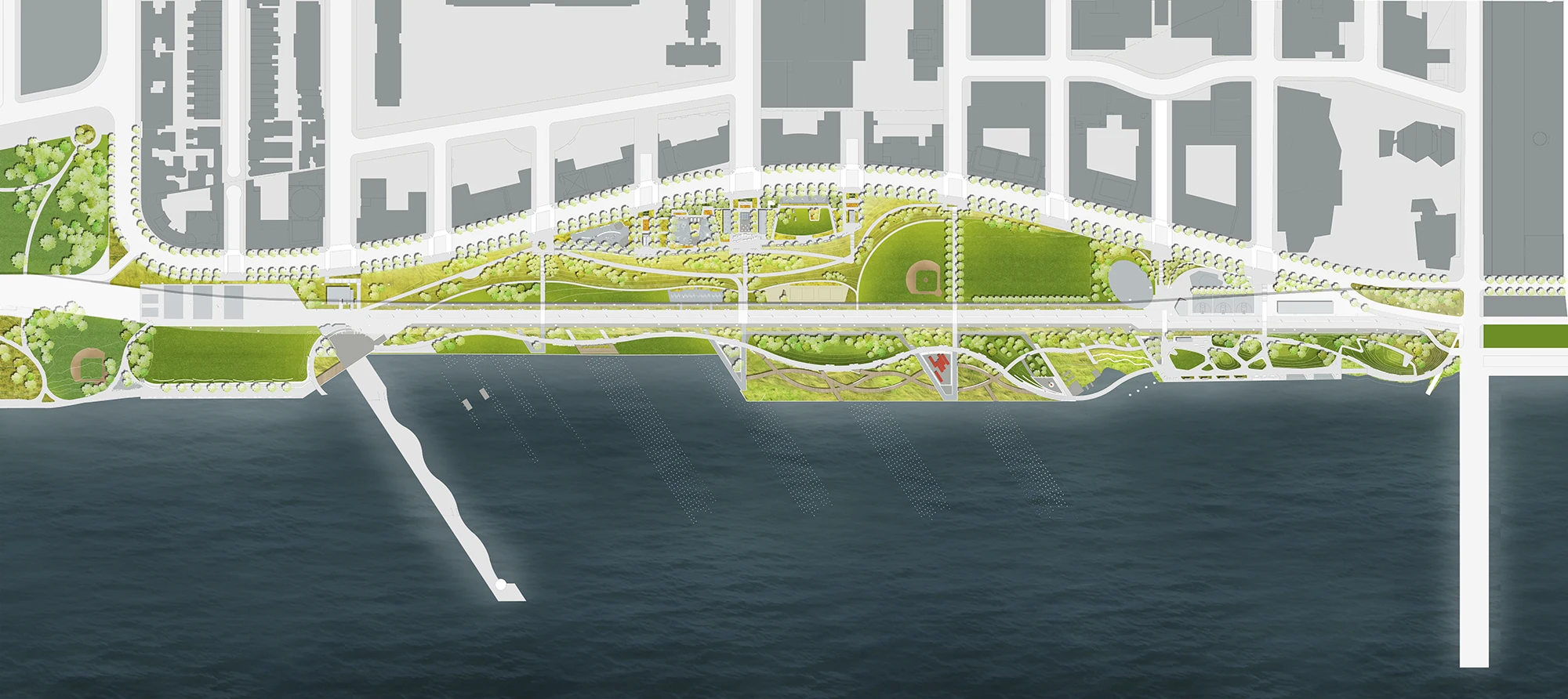
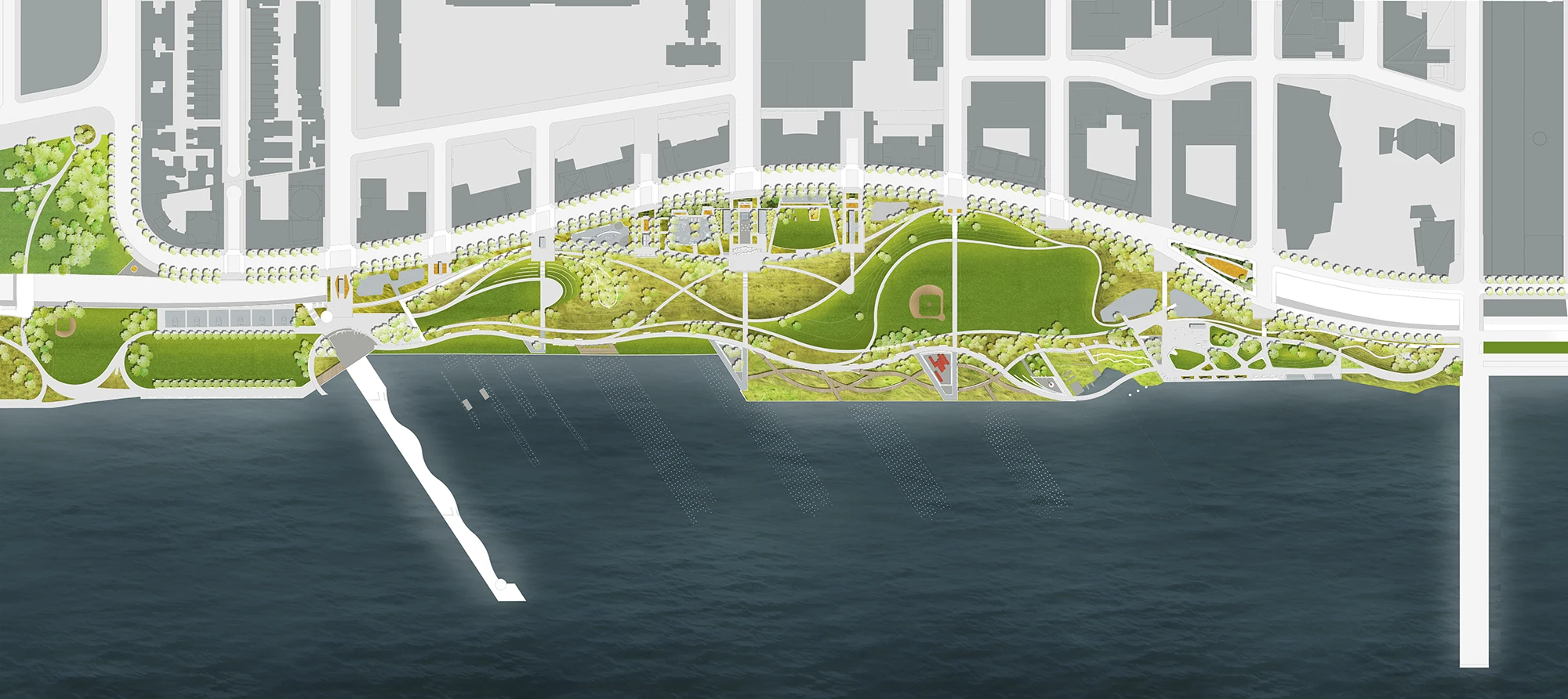
Phasing Diagrams
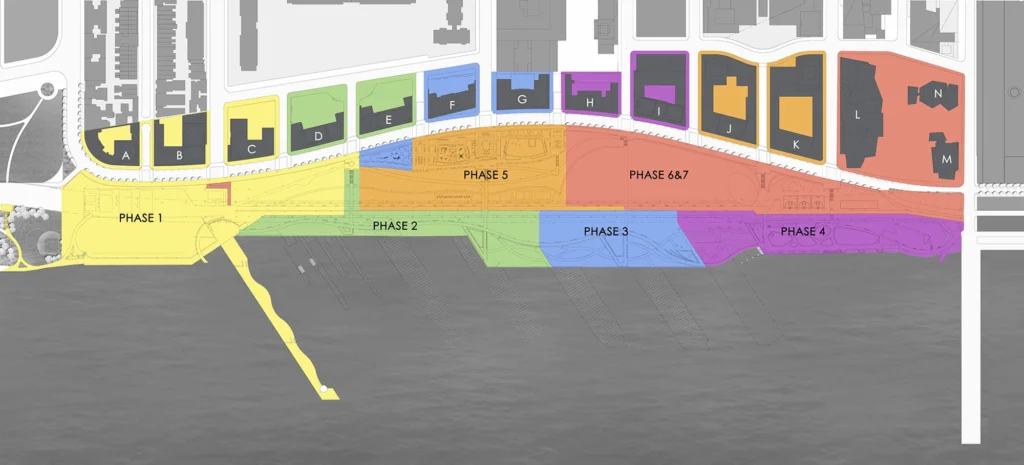
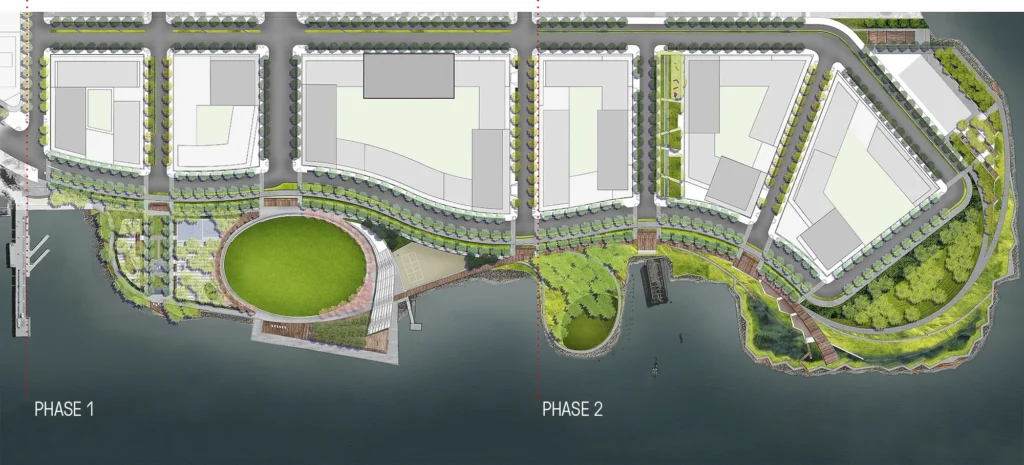
3. Landscape is infrastructure.
Infrastructure should connect rather than divide communities. We reveal the civic potential hidden within highways, bridges, flood control systems, and transportation corridors, converting barriers into celebrated public places that redefine the relationship between city and landscape. By doing this, single-purpose infrastructure becomes multi-benefit, delivering social, environmental, and economic value to their surrounding communities.
Buffalo Bayou Park
Houston, TX

Halperin Park
Dallas, TX

Sava Promenada
Belgrade, Serbia

Katy Trail
Dallas, TX

Read SWA’s newest publication, Atlas of Infrastructure Adaptation. The field guide documents how cities around the world are transforming transportation infrastructure into parks, ecological networks, civic destinations, and climate-resilient public landscapes.
4. Design for One, Design for All
The best resilient landscapes do more than protect cities—they enrich everyday life and promote equity and sociability. We integrate flood protection, habitat restoration, and ecological systems into parks that are beautiful, accessible, and deeply connected to their natural context, making resilience visible and socially engaging.
Hunter’s Point South Park
Queens, NY
Transformation of Curtis Hixon Park
Tampa, FL
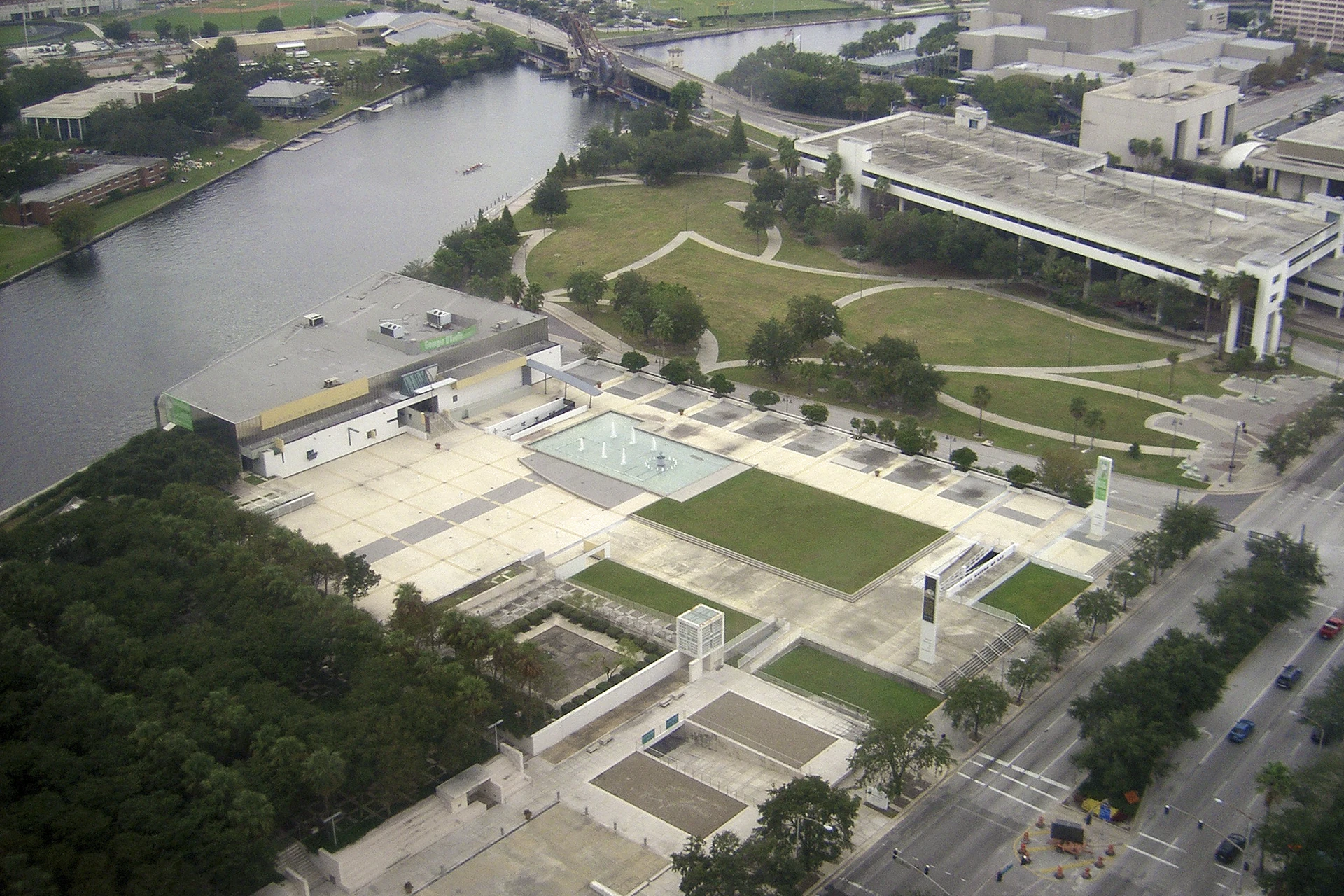
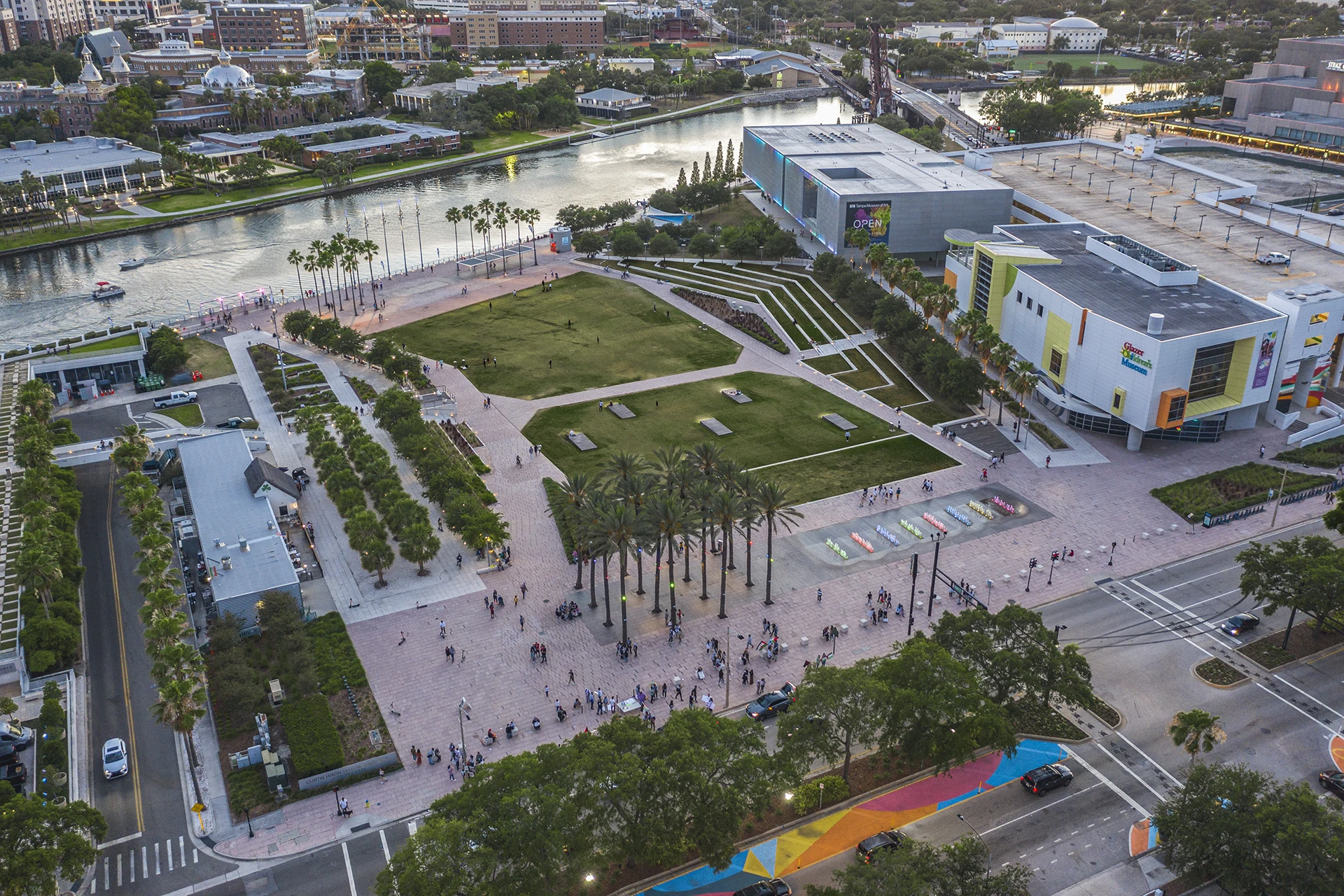
Curtis Hixon Waterfront Park has become Tampa’s missing civic “here,” anchoring the city’s Riverwalk and reactivating the Hillsboro River waterfront once blocked by an old museum and parking garage. A pedestrian bridge now links the park to the renovated Kiley Garden, while the Tampa Museum of Art and Glazer Children’s Museum bring culture and family activity to its edges. At its center, the Great Lawn—framed by interactive fountains—hosts everything from quiet visits to large festivals. Contemporary play areas, a dog run, and 21st-century seating like lawn rafts and concrete loungers make it downtown Tampa’s new front lawn.