

SWA at TCLF’s “Soak It Up” conference in Los Angeles & Fall Principals Meeting
This December, SWA Principals gathered in the Los Angeles studio for two purposes: first, to attend The Cultural Landscape Foundation’s “Soak It Up” conference, exploring landscape architects’ role in water management, particularly in the American West; and second, to convene for SWA’s biannual Principals Meeting, organized around the same topic.

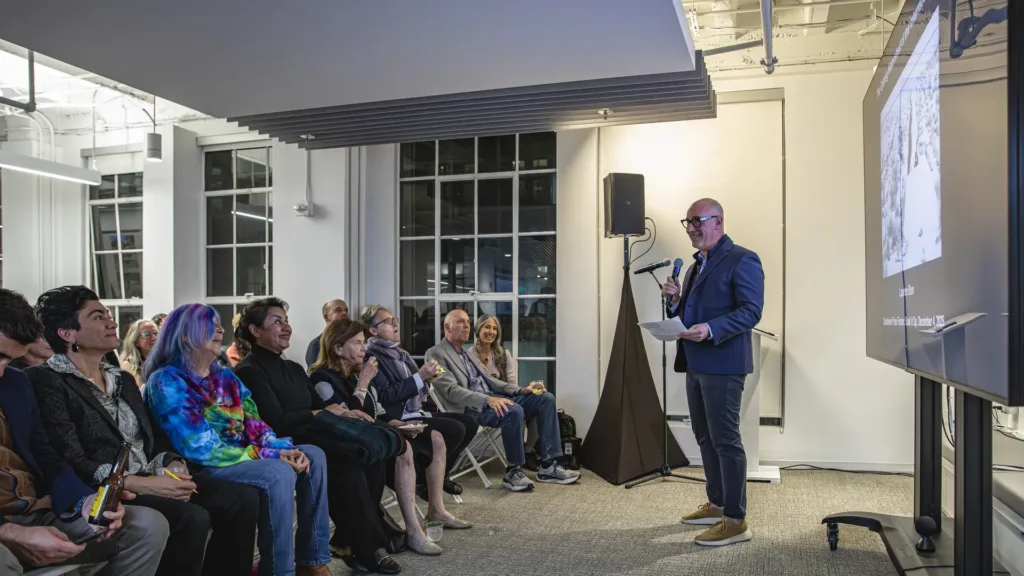
Soak It Up: Learning from water management in Southern California
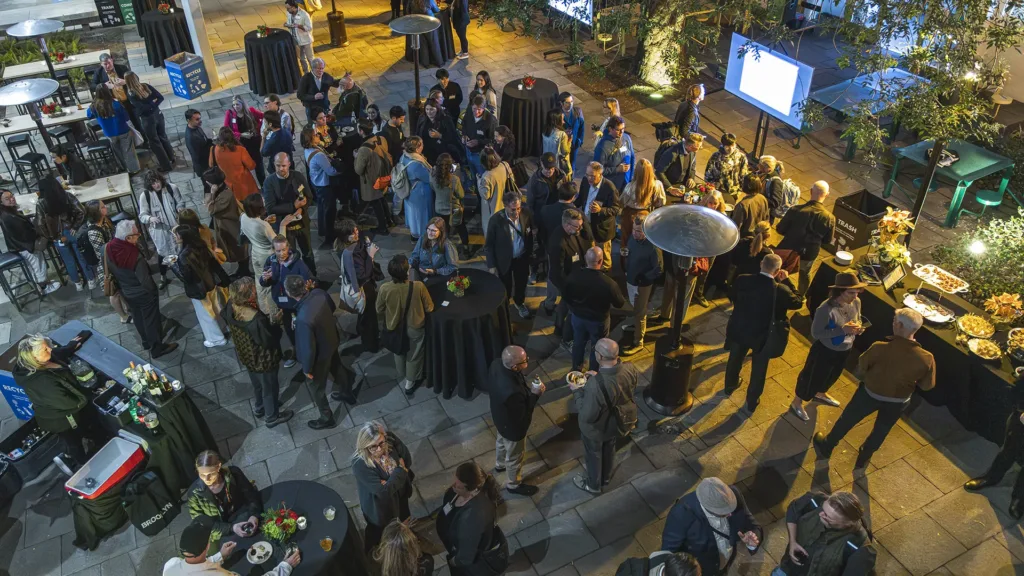
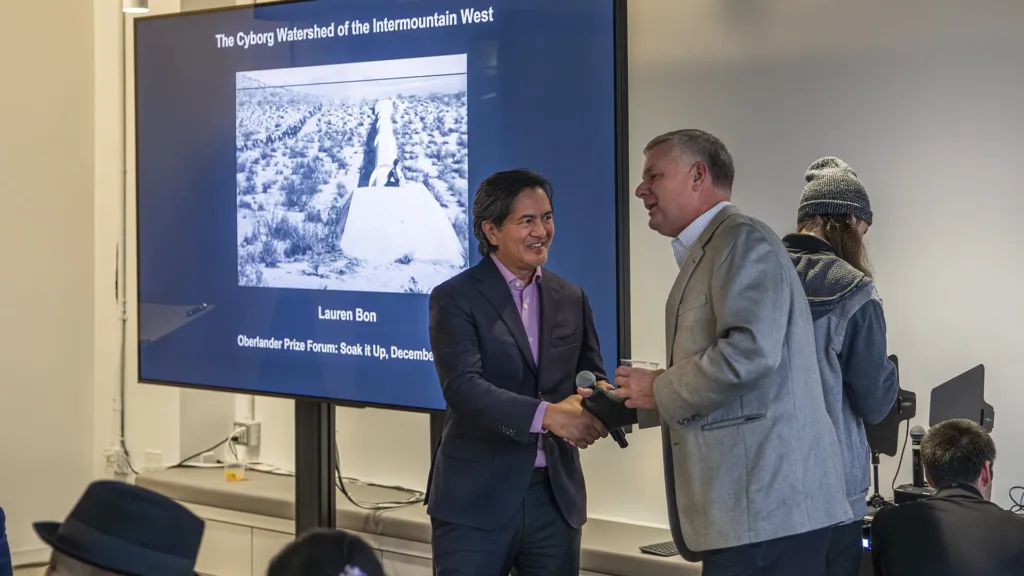
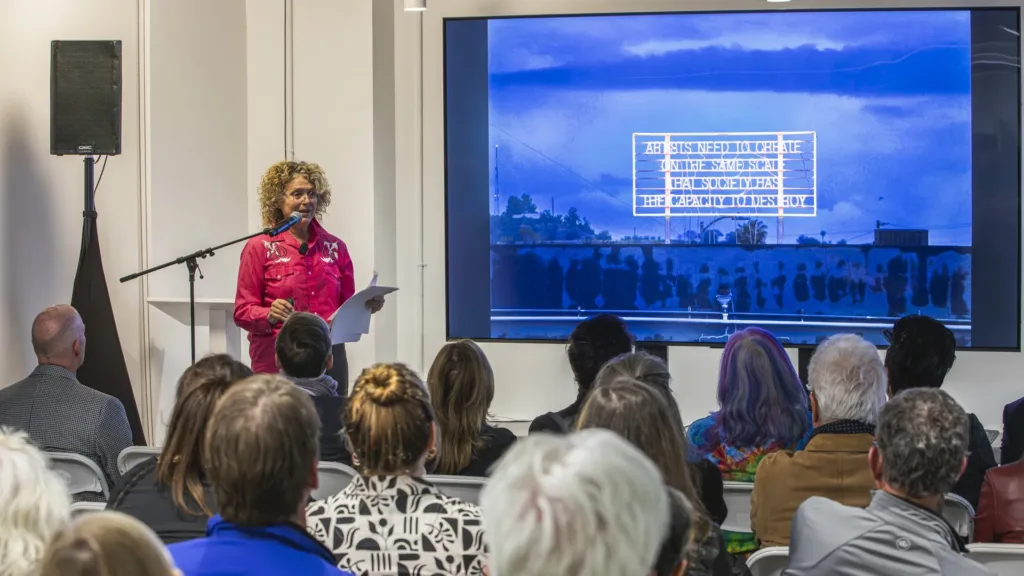
On Thursday, December 4th, SWA hosted an opening reception with opening remarks by Gerdo Aquino, Co-CEO of SWA, and Charles Birnbaum, President and CEO of TCLF, followed by a keynote presentation by Lauren Bon, an artist, activist, and Director of Metabolic Studio. Surveying a number of site-specific art installations that repurpose landslide soil, record drilling and boring in the bed of the LA River, and take on the messy intersection of nature and infrastructure, Bon’s presentation opened the weekend with more macro questions about how designers narrate and intervene in water systems shaped by extraction, scarcity, and often unsuccessful attempts at control.
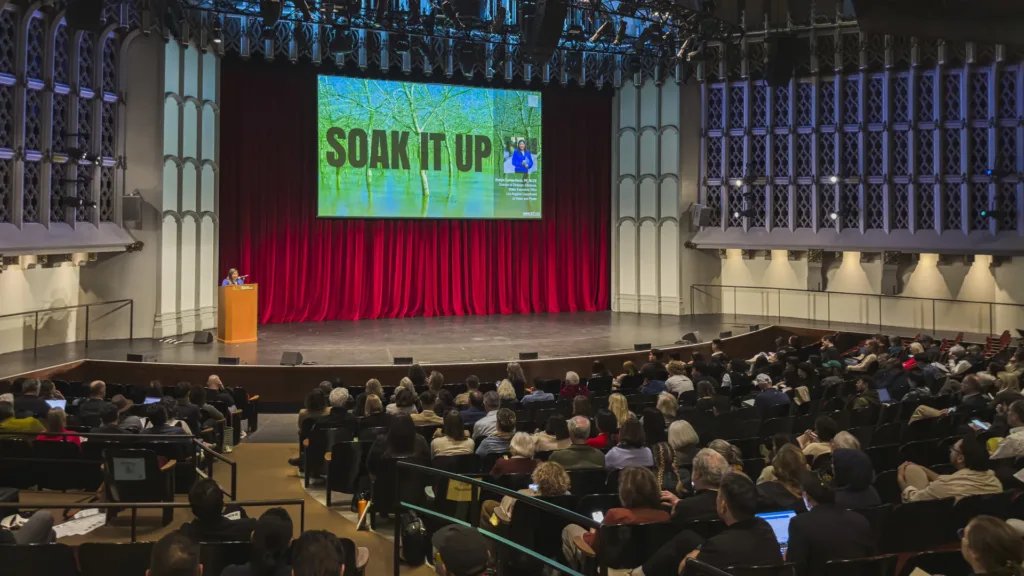
On Friday, December 5th, the group headed to the University of Southern California’s Bovard Auditorium for a day of panels and more detailed explorations of water issues in Los Angeles, the broader region, and globally. Sessions opened with a number of tributes to the late, visionary landscape architect Kongjian Yu, originally scheduled to participate in the event, whose work on “sponge cities” serves as a blueprint for how cities across the globe can live with water and address climate change in tandem; Yufan Gao (Boston Architectural College) and Liu Hailong (Tsinghua University, University of Pennsylvania) spoke in his memory. (Among many honors, Yu received TCLF’s 2023 Cornelia Hahn Oberlander Prize.)
After a deep dive into Southern California’s environmental and urban history with Alison Hirsch (USC), William Deverel (Huntington-USC Institute on California and the West), and Alexander Robinson (USC, Office of Outdoor Research), Gerdo presented on lessons from Los Angeles—including through SWA’s recent work on the Sunrise Ranch Master Plan and post-fire planning in the communities of Altadena and the Palisades after their devastation in January 2025. OLIN’s Jessica Henson closed the morning’s sessions with a brief memorial to the architect Frank Gehry, who passed the same day, and a presentation on ecological planning in the Sepulveda Basin.
The afternoon closed with panels featuring Julia Prince (Design Workshop), Matt Romero, and Kush Parekh (Studio-MLA) with response by Hunter Merritt (CSU Sacramento) and Evelyn Cortez-Davis (LA Department of Water and Power); a stirring plenary by LA’s former Chief Design Officer Christopher Hawthorne (Yale School of Architecture); and a closing panel opening up to global perspectives from Mario Schjetnan (Grupo de Diseño Urbano), Adriaan Geuze (West 8), Maura Rockcastle (TEN x TEN), Chelina Odbert (Kounkuey Design Initiative), and Patrick Sisson (Freelance journalist).
On Saturday, December 6th, SWA Principals assembled at the LA studio for a daylong workshop. Meanwhile, George Kutnar (Associate Principal, SWA LA) co-led a field tour of Milton Street Park, discussing the challenges of building LA’s first terraced levee park alongside Brian Baldauf (MRCA).
Thank you to all the attendees—and, of course, the organizers at TCLF and our co-sponsors—for making the weekend a success.

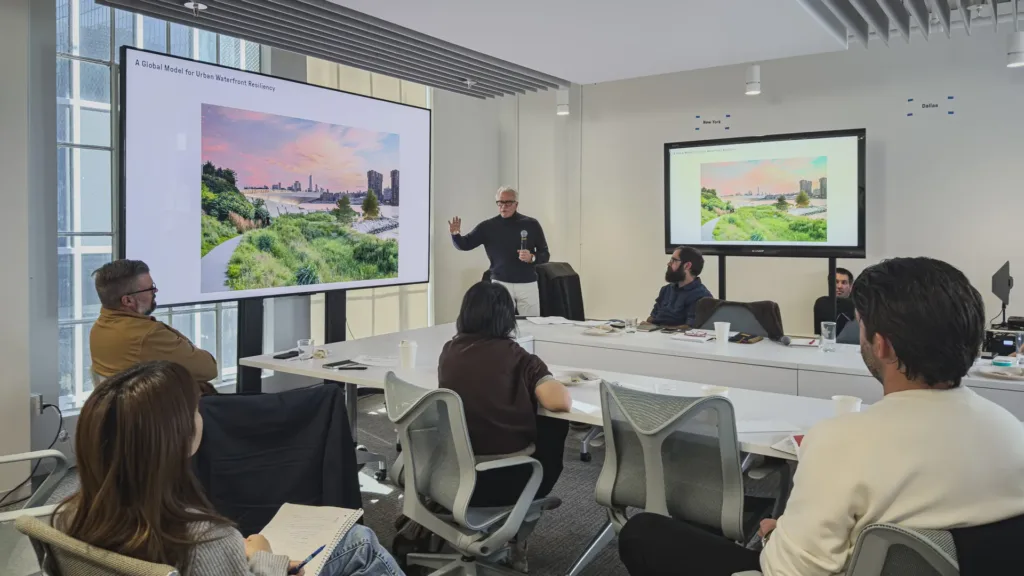
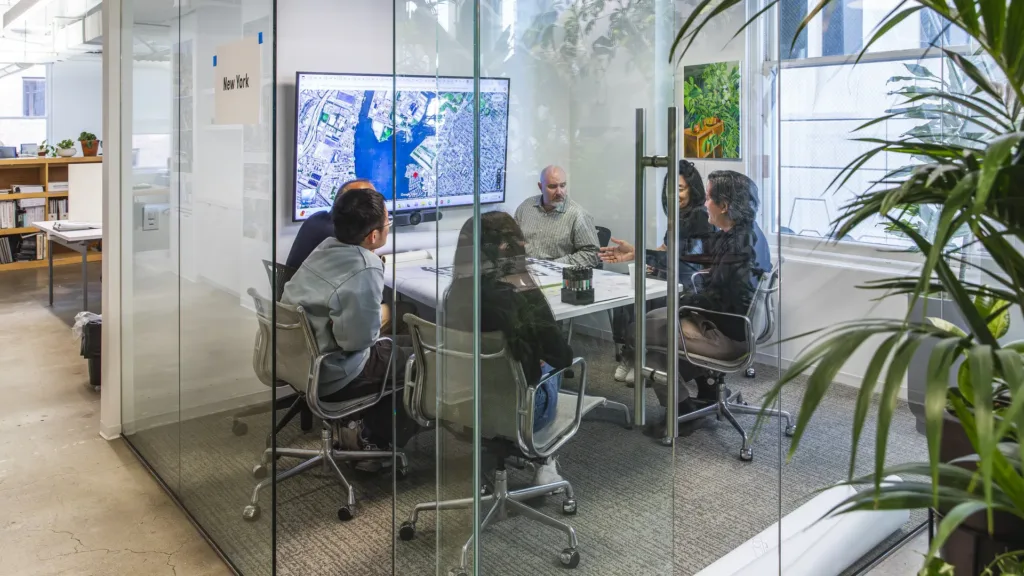
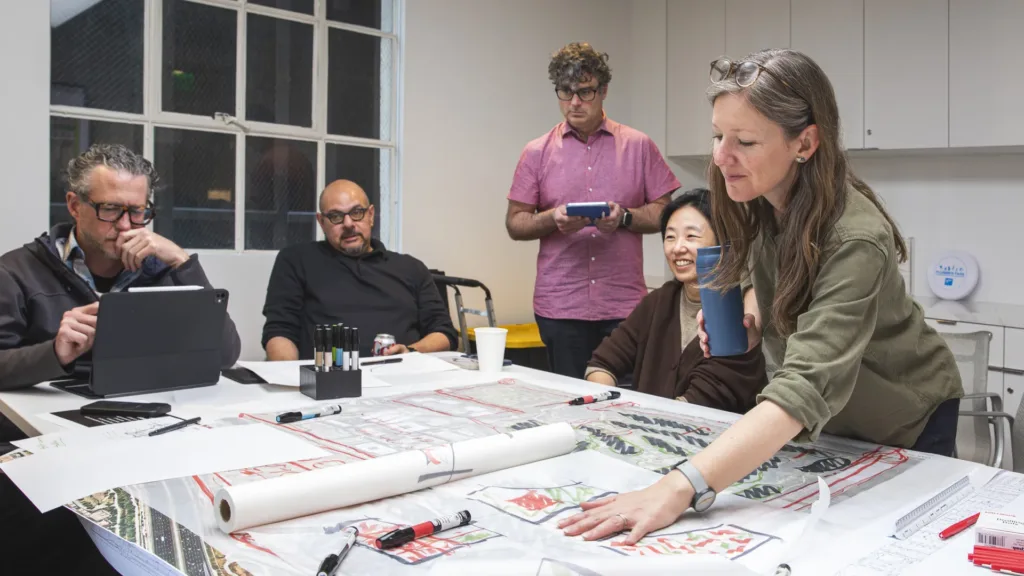
Principals Meeting: Translating regional water lessons into practice
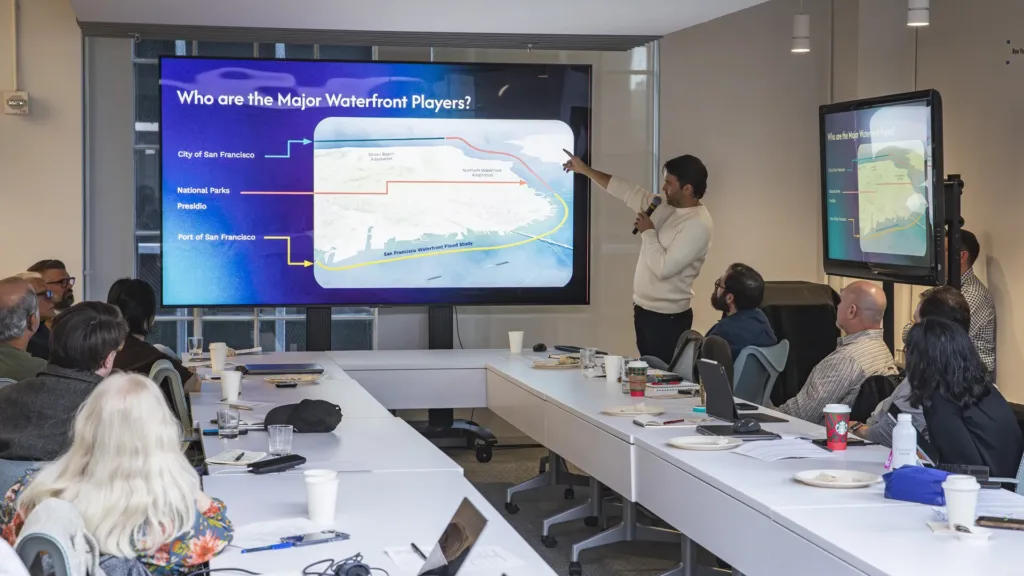
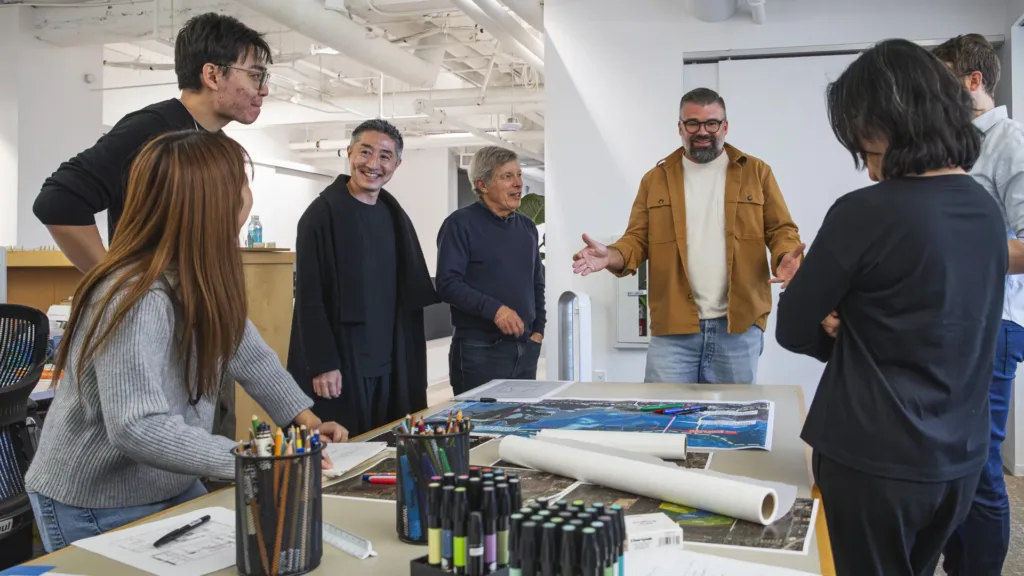
Throughout Saturday, SWA Principals compared approaches to water-sensitive design in their own regions, looking at how lessons from LA—its flood histories, post-fire landscapes, and legacy infrastructure—map onto challenges facing Texas, the Bay Area, the Mountain West, and East Asia. Conversations focused on practical questions: how to better integrate watershed thinking into early phases of design; how climate risk is reshaping client expectations; and how SWA can continue to refine tools for scenario planning, decarbonization, and long-term stewardship.
Breakout sessions surfaced shared priorities around project delivery and firm culture, including the need for clearer benchmarks for climate action, more structured avenues for design and research exchange between studios, and coordinated strategies for community engagement around water and fire risk. The meeting closed with a review of ongoing initiatives before the group reconvened informally for dinner.