

SWA Presents at LAF’s Future Now Summit in Detroit
In June, the Landscape Architecture Foundation held its annual summit in Detroit, Michigan, bringing together industry professionals for discussions on designing for the future, emphasizing climate, biodiversity, equity, and inclusion.
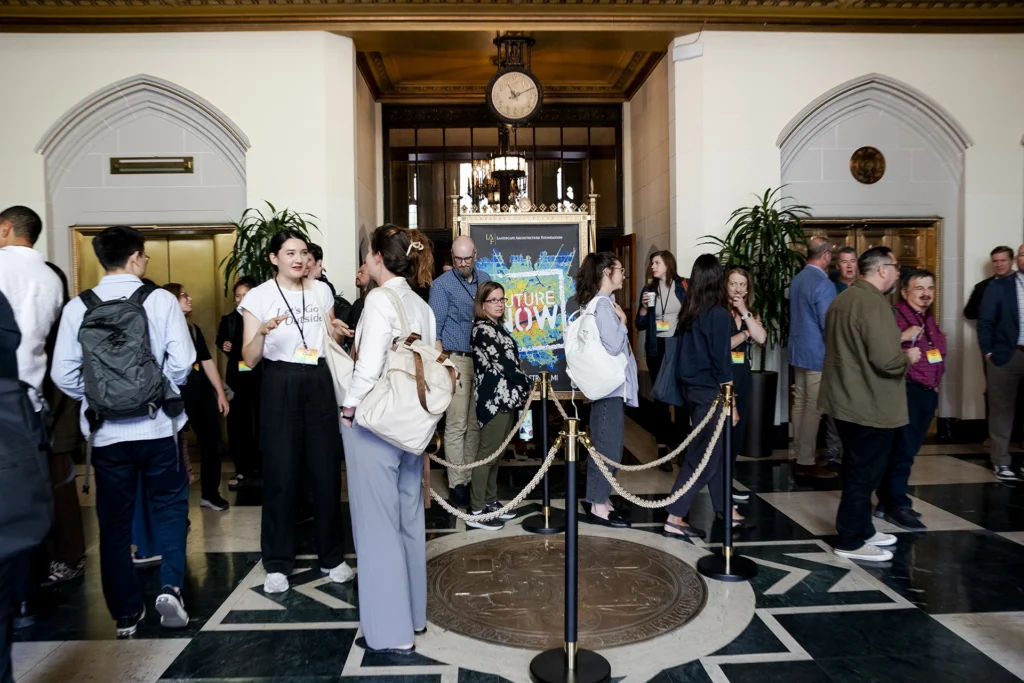
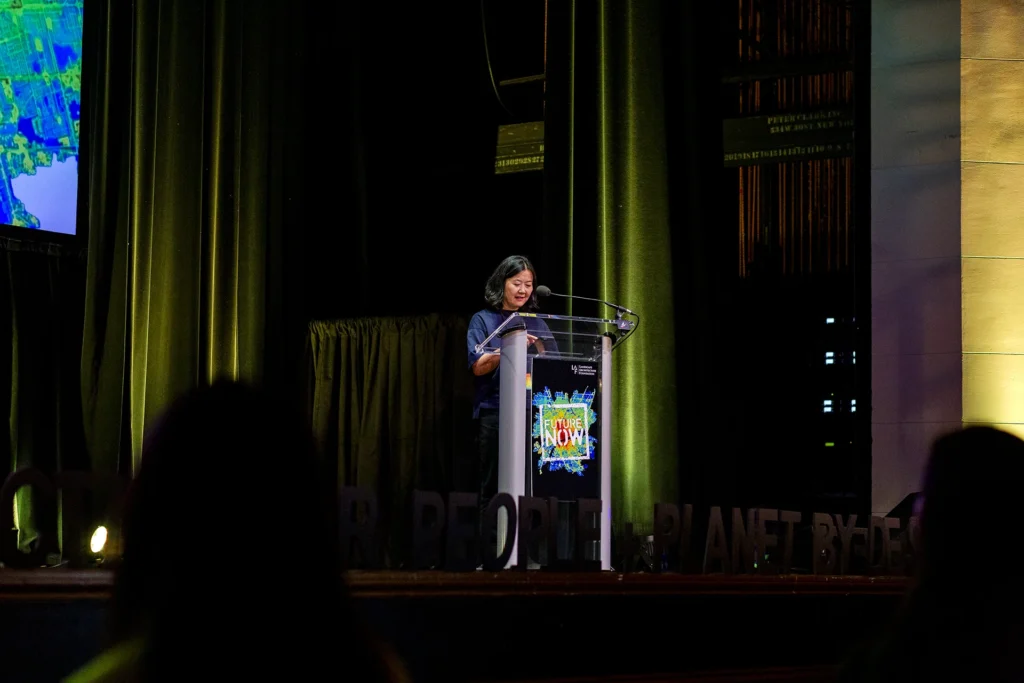
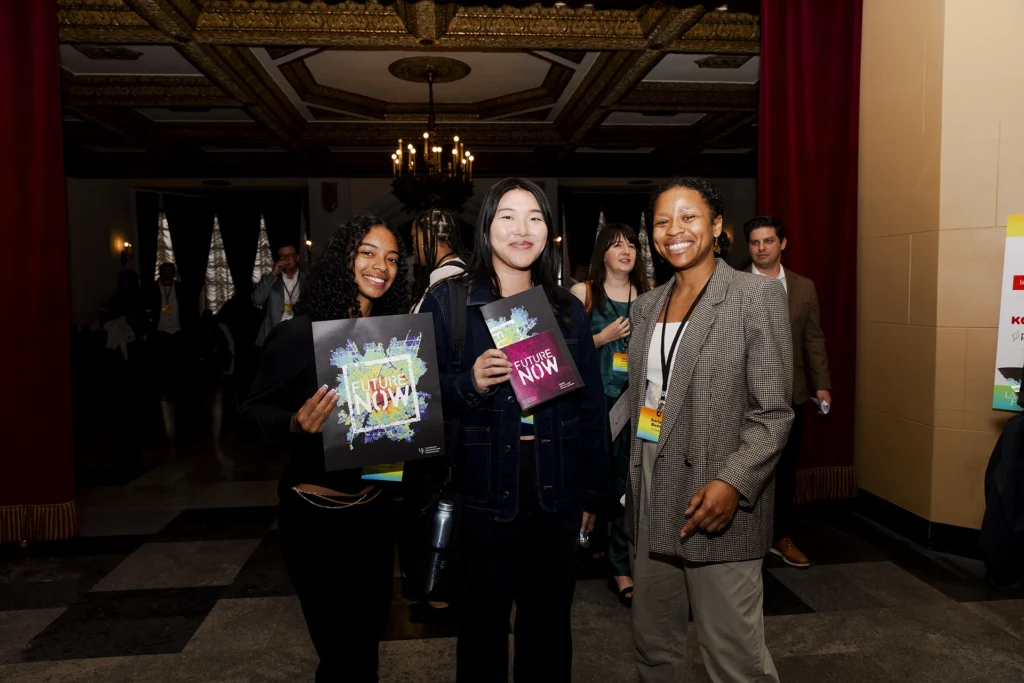
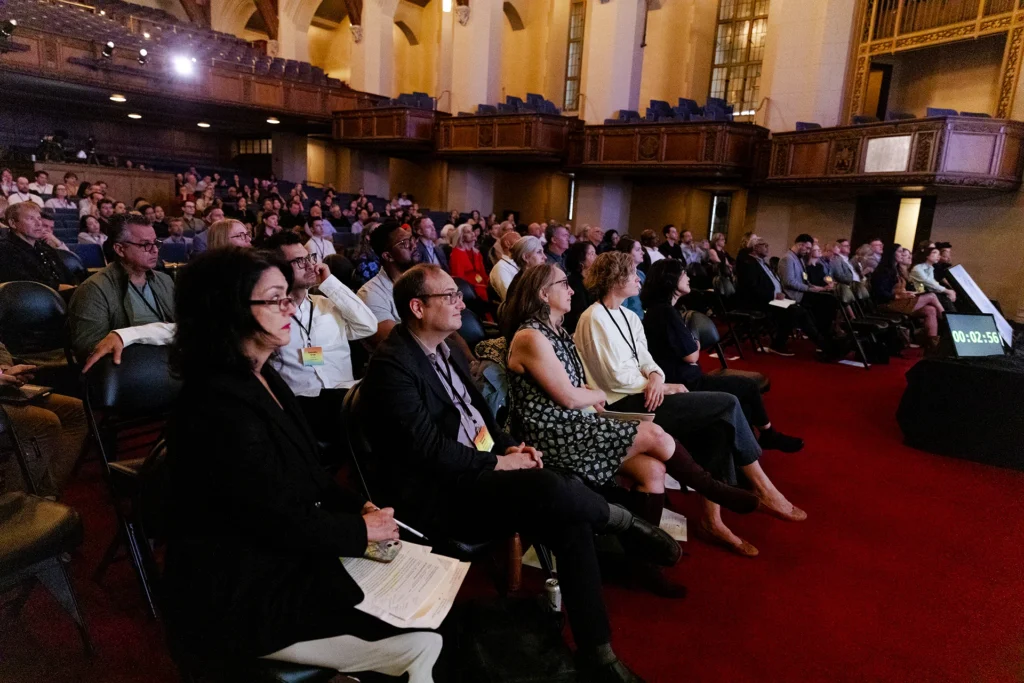
Images courtesy LAF.
Over three days, the Future Now Summit featured 30 lightning talks, 24 workshops, keynote presentations, and panel sessions, in addition to the Foundation’s 60th anniversary party celebration. SWA had a strong showing in Detroit, with eight staff members presenting keynotes and workshops. As a member of the Board of Directors, Los Angeles Managing Principal Ying-yu Hung helped organize the summit, sharing a few remarks at the opening ceremony. In addition, Graphic Designer Paul Wehby worked on the event’s branding, creating promotional posters and a magazine.
Reading the Low-Carbon Landscape
Jonah Susskind
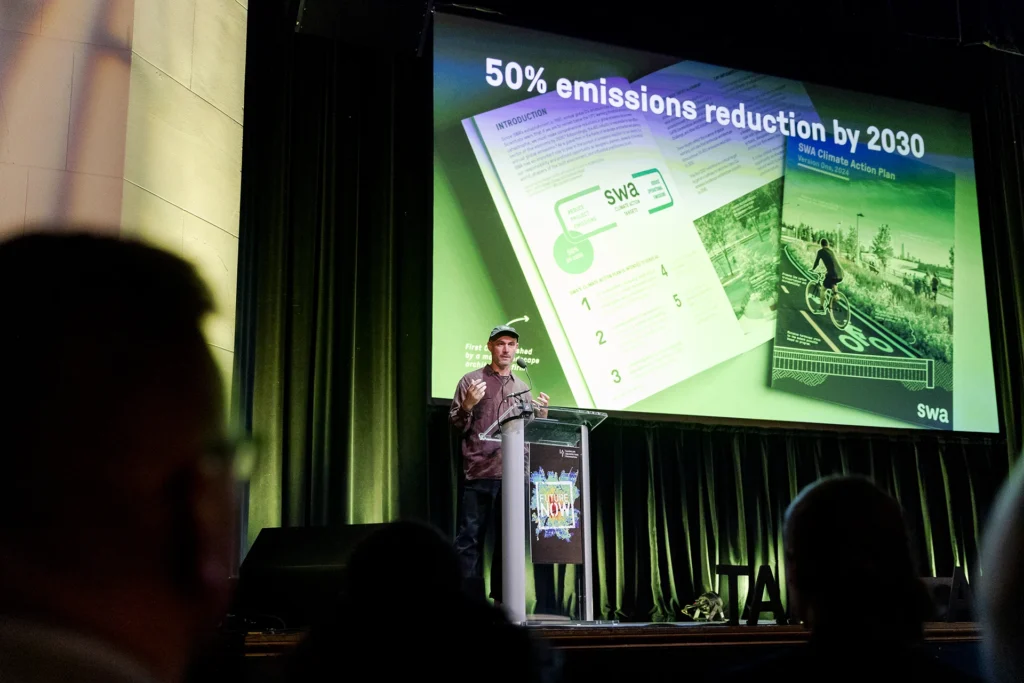
Building on his piece, “What Does the Low Carbon Landscape Look Like,” Director of Climate Strategy Jonah Susskind examined how the profession’s growing commitment to decarbonization may result in a new generation of landscape aesthetics.
Drawing connections between historic shifts toward ecological design and today’s focus on embodied carbon, he highlighted emerging patterns visible in SWA’s built work portfolio, featuring Bentonville’s Walmart Home Office, Los Angeles’ Milton Street Park, and Guangdong’s Xili Lake Greenway. These shifts focus on material reuse, regional sourcing, reduced hardscape, and alternative low-carbon materials. The presentation framed decarbonization not as a constraint on creativity, but as an opportunity to expand the discipline’s design vocabulary and reimagine what high-performance landscapes can look like.
Images courtesy LAF.
Landscape Architecture as Climate Translator
Mohammad Arabmazar and Claudia Wu
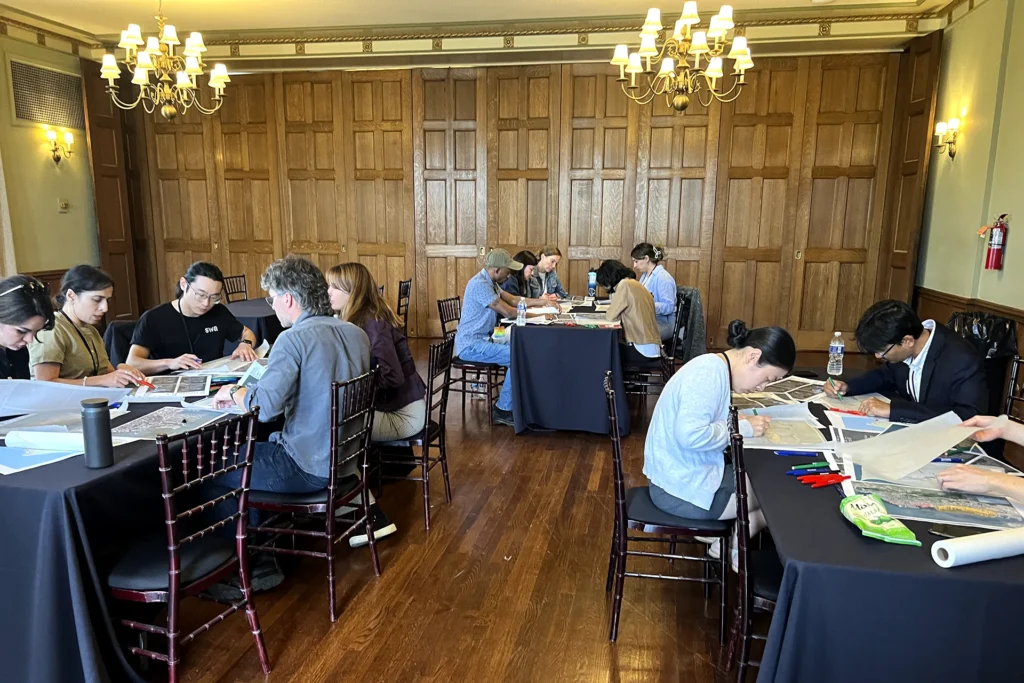
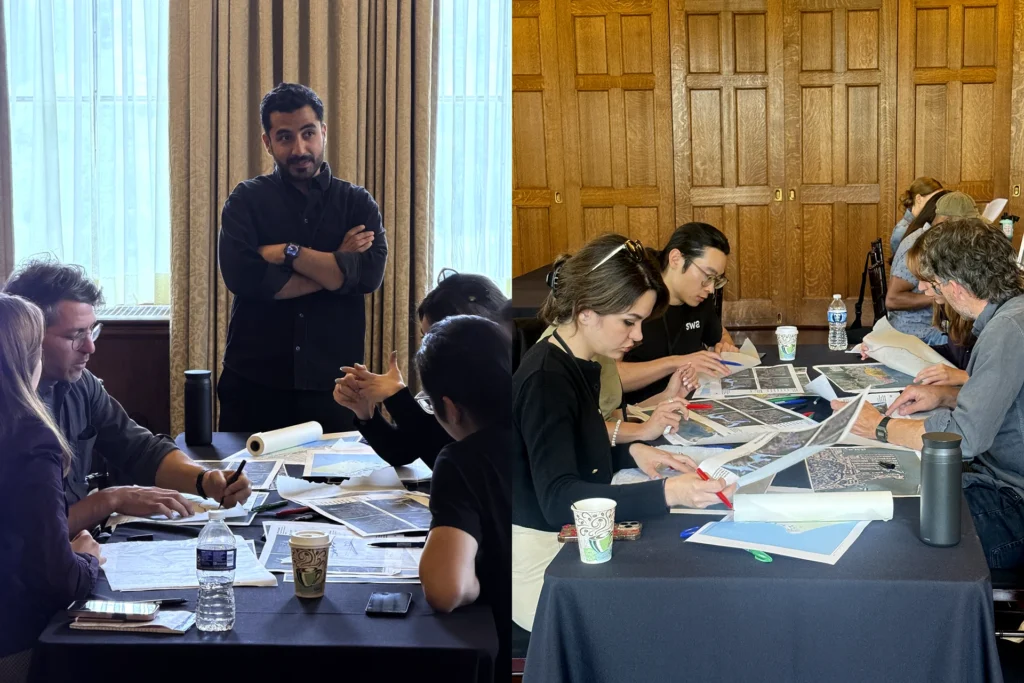
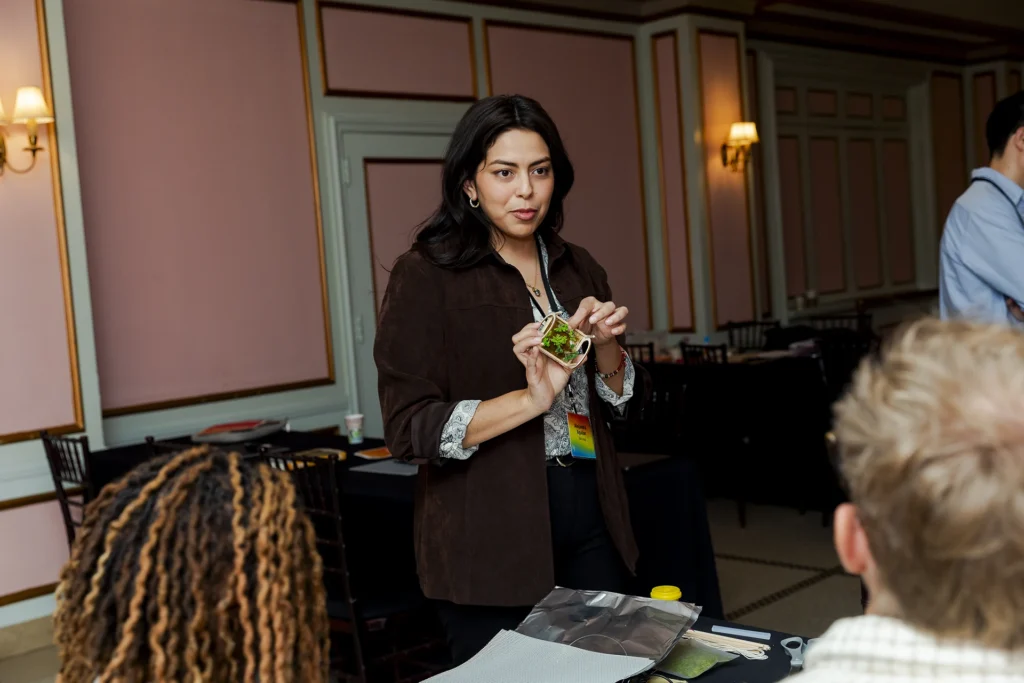
Born from ongoing discussions in SWA’s Sausalito studio, Mohammad Arabmazar and Claudia Wu’s workshop invited participants to explore how climate-related data drives design decisions. The workshop emphasized the landscape architect’s role in leading climate-informed design, positioned not only as implementers, but also as translators, decision-makers, and climate leaders.
Mohammad and Claudia featured multiple SWA projects as case studies, including Burlingame’s The Landing and Houston’s Buffalo Bayou Park and Club Creek Basin Park. Learning from these precedents, participants settled into a studio-like format, where they used climate data to design a new waterfront strategy for Sausalito, with a focus on sea-level rise and heat.
Shade for All: Design for Equity in the Urban Heat Era
Qiaoqi Dai, Han Fu, and Alejandra Aguilar
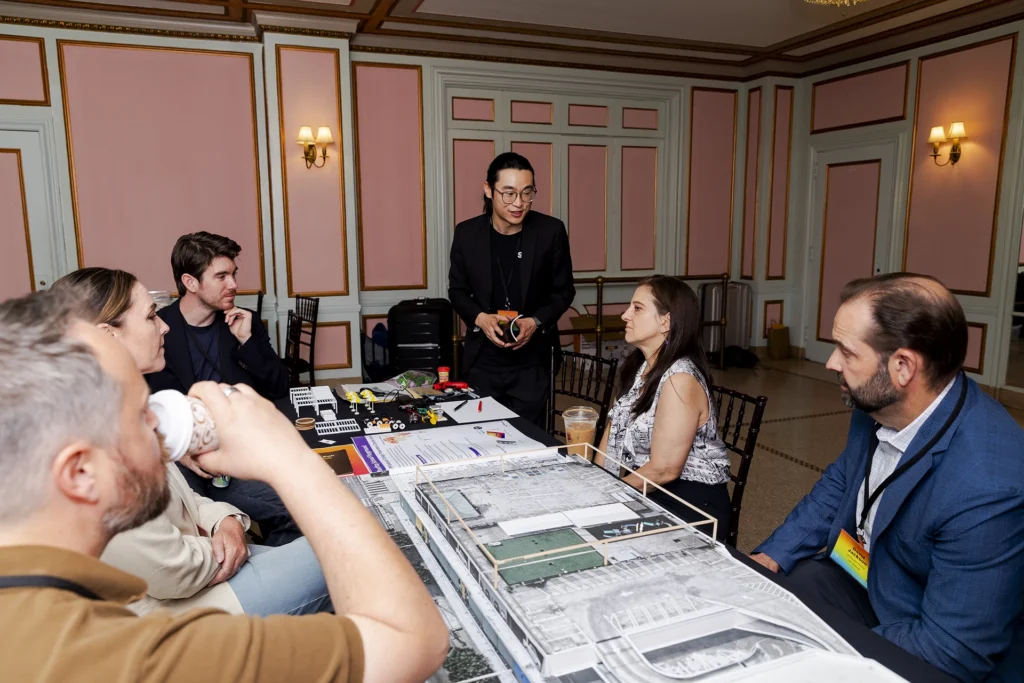
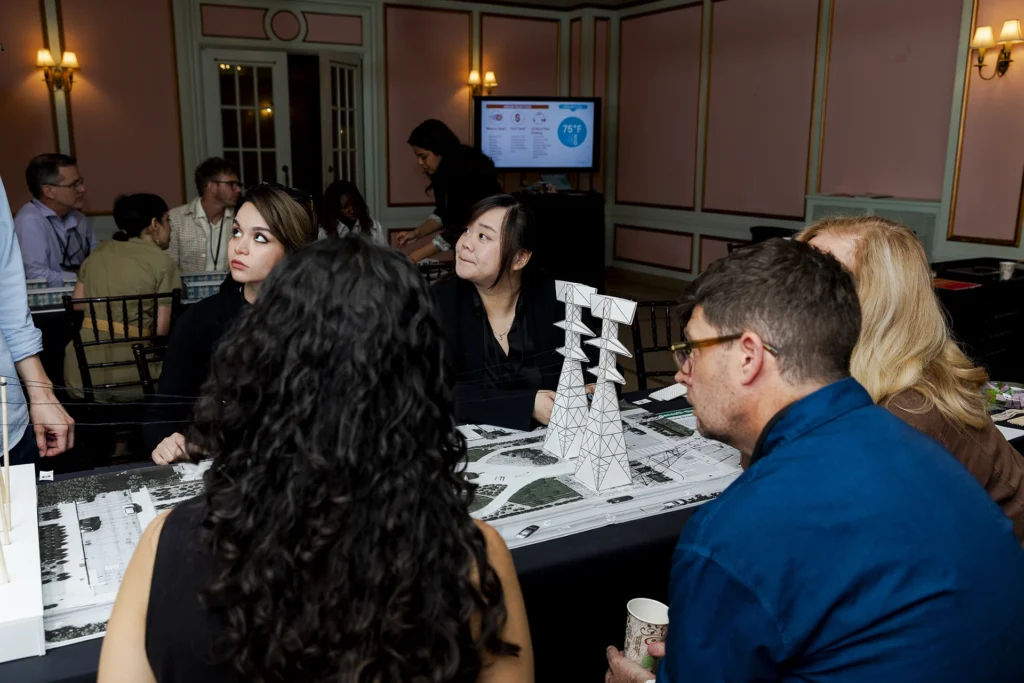
Building on their 2019 Patrick T. Curran Fellowship research project “Turn off the Sunshine: Shade Equity in the City of Los Angeles,” LA Associates Qiaoqi Dai and Han Fu, along with Alejandra Aguilar, created an interactive design lab focused on LA’s shade-desert corridor. The team created three 3D site models, inviting participants to introduce shading strategies using a curated kit of parts to prototype interventions.
Working around real-world constraints, including narrow parkways, shade-neutral palm trees, and complex utility zones, workshop participants gained an understanding of the barriers that prevent shade equity in heat-vulnerable neighborhoods. The audience included academics, shade manufacturers, urban planners, and landscape architects, among others, underscoring the issue’s cross-disciplinary reach across health, education, technology, and infrastructure.
Images courtesy LAF.

Time to Act: Draft Your Action Plan Now
Willa DeBoom, Jonah Susskind, and Jana Wehby
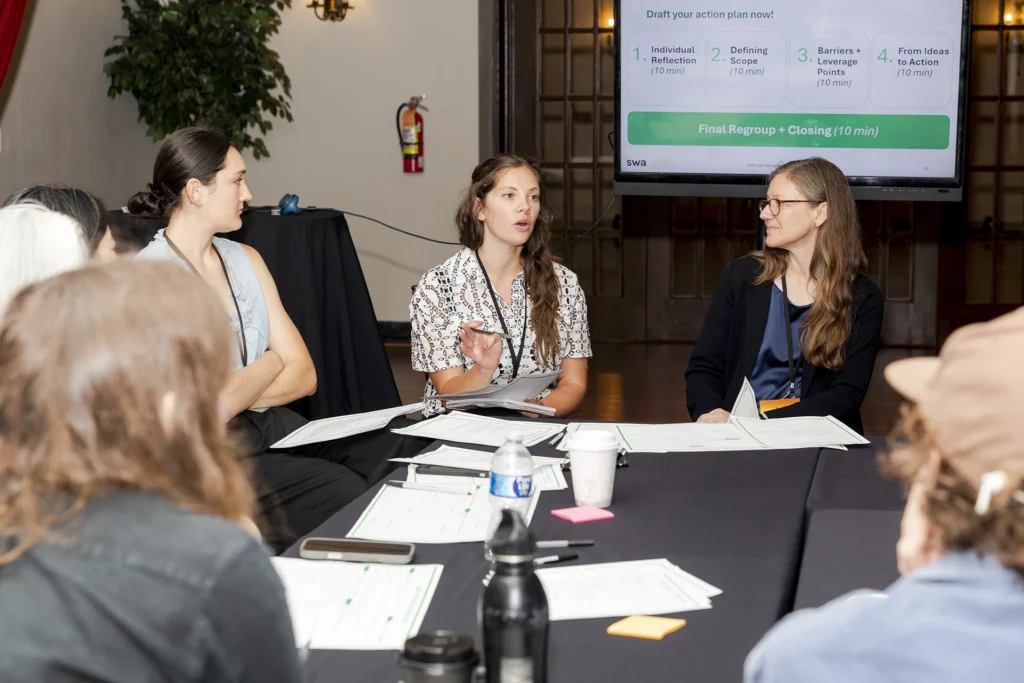
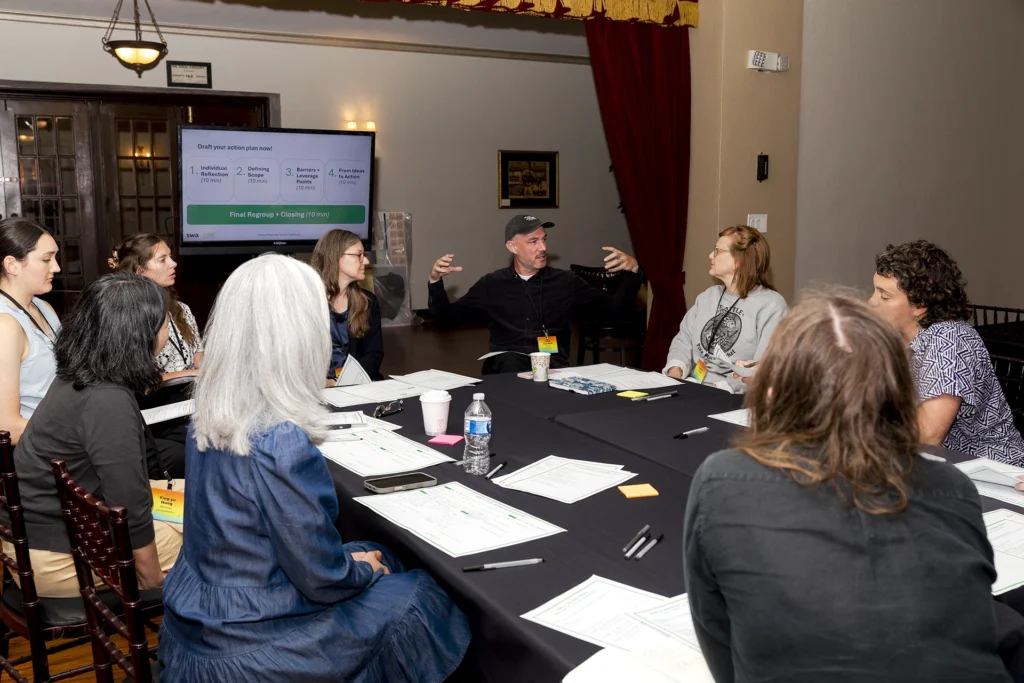
With SWA’s Climate Action Plan released in 2024, Jonah Susskind, Climate and Sustainability Specialist Willa DeBoom, and LA Principal and Studio Climate Champion Jana Wehby kicked off the workshop with insights from the firm’s drafting process, with additional expertise shared by Chelsea Gieryic of Livable Cities Studio. The group discussed the importance of identifying primary drivers for action, “right-sizing” the task force, and anticipating specific challenges based on firm size and available resources.
As most of the participants were beginning their CAP journey, the SWA leaders addressed concerns about being under-resourced, having sufficient buy-in from colleagues, or knowing which steps to take first. Participants used the provided templates to outline their own plans before regrouping to discuss follow-up strategies, ensuring accountability and support.
Images courtesy LAF.