

Landscape Leadership
SWA’s newly promoted leaders think deeply and broadly about the impacts of their work, often collaborating with communities, ecologists, engineers, and architects to optimize the potential of outdoor spaces.
As we advance landscape as integral to cities’ infrastructure, we asked our newly promoted leaders: How and why are landscape architecture, planning, and urban design effective strategies for expanding social equity, mitigating climate change, and/or promoting public health?
Please join us in congratulating these new leaders and read on for their perspective on how landscape can foster a vital, more equitable and multi-functional public realm.


New Principals

Matt Baumgarten
Landscape Architect, Houston
View Matt’s Bio
“The idea of landscape architecture’s potential broader impacts is at the core of our profession, and the first concept introduced in our formal landscape training. Our professional edict is to also be not only aesthetic place-makers and environmentalists, but also a safeguard for the health, safety and welfare of the public. Landscape architects are at their best when they are visionaries who see the larger picture and serve as essential communicators among disciplines and critical issues.”

Richard Crockett
Landscape Architect, San Francisco
View Richard’s Bio
“Landscape architecture is about finding balance between ideas and implementation; human comfort and ecological resilience; order and chaos. So we approach our work with a design philosophy that’s open-ended – about process, flexibility, celebrating intrinsic beauty and history, and creating one-of-a-kind experiences that can last generations.”
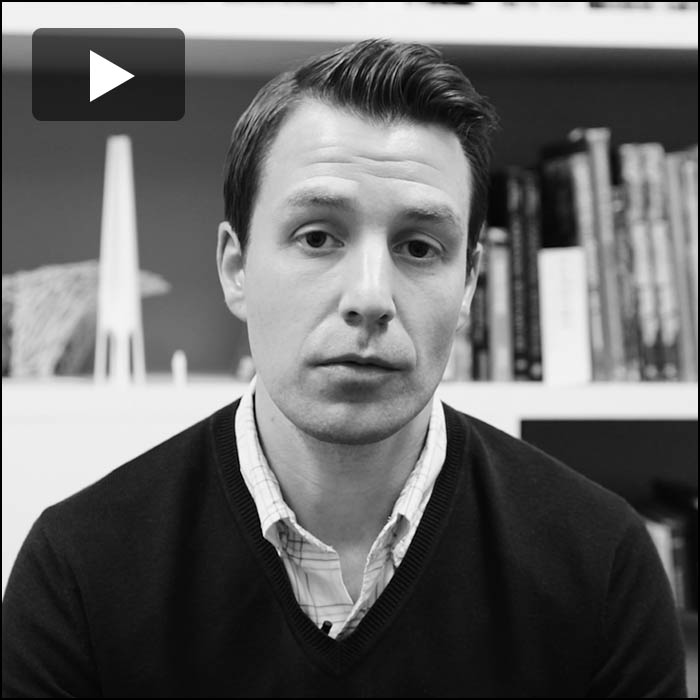
Andy Harcar
Landscape Architect, Dallas
View Andy’s Bio
“I believe people are inherently drawn to nature. The many benefits of access to the outdoors and open space are real. As designers, we have the opportunity to harness the power of nature and create places through the landscape that allow people to experience those benefits. Landscapes foster sense of place and character, allowing for gathering, seating, or play while strengthening community and creating a feeling of belonging for all.”

Steve Rydzon
Landscape Architect, Laguna Beach
View Steve’s Bio
“Good landscape architecture provides the reason to experience the outdoors and come together as a community. That designed social interaction is a step towards understanding one another – and understanding one another is a path towards social equity.”
Raymond Siu
CFO/COO, Firmwide
View Raymond’s Bio
“With every space we design, we talk to the clients and often the end-users to determine their goals for the project. It’s never just about the location, the landscape, and the climate; it’s about the people who are going to be using it. These conversations underpin our ability to address social equity, resilience in the face of climate change, and a host of other issues. With San Francisco’s Aquatic Park, for example, we’re cognizant of the sea level rise that’s happening day to day, month by month, and year by year, but we also think about establishing a space for kids in the city to appreciate the waterfront and for the community to get together and enjoy that outdoor space for years to come.”

Todd Strawn
Landscape Architect, Dallas
View Todd’s Bio
“As planners and landscape architects, we can create unique places that promote both mental and physical health for the communities in which we work. Over the past year, no project has exemplified this more so than the Katy Trail in Dallas. Through technically a trail, the community treats it as a park. Katy Trail became so popular during the COVID lockdown that the City has to limit users occasionally in an effort to curb overcrowding, while still promoting public health.”
New Associate Principals

Abdallah Labib
Landscape Architect, New York/SWA Balsley
View Abdallah’s Bio
“Landscape as green infrastructure helps cities by creating urban places that allow people to live sustainably, engage in civic life, and find healing respite within their everyday lives. It transforms how we envisage urban design in the future.”

Art Mahasuwan
Firmwide
View Art’s Bio
We help to design the future of our world through resilient design: incorporating adaptability and equity, mitigation of climate change, and co-habitation into our work in order for all manner of life and nature to coexist and develop in harmony while promoting sustainability.

Travis Theobald
Landscape Architect, San Francisco
View Travis’ Bio
“Never before in our recent history have we truly understood the necessity of outdoor spaces in promoting public health. Whether it be wide-open space, a park or plaza, or one’s own backyard, well-designed spaces translate scale, shape, use, location, and materiality into places of daily refuge and rejuvenation, and provide us with a connection to nature, big and small. This connection has enabled me to find a bit of peace during busy weeks, bringing me a sense of calm and well-being.”
New Associates

Chris Anderson
Landscape Designer
Laguna Beach
“Regardless of the field or discipline, design seeks to provide meaningful solutions. Within the field of landscape architecture, planning and urban design, our designs can positively impact the social and environmental issues that exist within their larger neighborhood and city context. Effective design is humble and seeks to listen, observe, and respond to the needs of the community, cultures, and surrounding natural ecological systems. As designers, we have the responsibility to create meaningful places that are informed by these matters and, in turn, offer tangible solutions that are further promoted by members of the community.”

Yuling Chen
Landscape Designer
San Francisco
“As landscape architects, we collaborate and communicate with multidisciplinary expertise to create positive change for our environment and communities. From city and regional-scale work to site design, we develop green infrastructure and public space that adapts with our environment and society. With investment in the future of public space, non-stop cutting edge landscape development will harmoniously integrate natural systems with dynamic human activities.”

Yu Sheng “Sam” Dent
Landscape Designer
San Francisco
“Landscape architecture is a complex profession. We design the interface between human territory and nature, as well as the public realm shared among humans. We want to make sure our design serves all living things equally. By doing so, we make a sustainable path toward the decades to come. We want to know that our children can enjoy the world as much as we do right now. The small things we do make the world a better place.”

Andrew Gressett
Landscape Designer
Houston
“By improving the health and quality of the natural environment, we are able to simultaneously improve our personal health and well-being. Landscape architecture, planning, and urban design offer the unique opportunity to address public health challenges whether related to carbon sequestration, native habitat preservation, noise mitigation, or design challenges facing our external environment. The beauty of working in this realm is that the health benefits we provide are typically in the public domain, and aren’t for the benefit of any one individual, but for our collective communities and ecologies.”

Xinjun Gu
Landscape Designer
Shanghai
“Landscape, as a medium that engages culture, nature, and memory, plays an increasingly important role for the future. Landscape offers tangible solutions. It involves vibe, emotion, and feeling within everyday public spaces and environments. Grounding social and environmental change and improvement in the surrounding landscape is essential, although it may be easy to overlook. Particularly, reconstruction/re-envisioning existing spaces is often more sustainable than new construction.”

Xiaomeng Ma
Landscape Designer
Sausalito
“There are a range of landscape architecture-based strategies that can help the city become more resilient, such as reducing greenhouse gas emissions while also providing engaging spaces for people.”

Rachel Wilkins
Landscape Designer
Houston
“I am passionate about effective, real-world actions that address hot topic issues in our field, and believe that the most powerful change occurs within an individual’s own sphere of influence. As designers, it is important that we advance social equity and best professional practices for battling climate change in our day-to-day office setting and project work. Advocating to clients about the need for vegetative coverage or a native plant palette to reduce water usage, or mentoring and encouraging people of color to enter the field are great places to start. It is easy to sit around a table and “talk the talk” about big global issues and the things that need to change on a systemic level, but it’s vital to also “walk the walk” in our everyday lives.”

Elvis Wong
Landscape Designer
Laguna Beach
“Landscape architecture, planning, and urban design professionals can effectively address complex issues by listening to, advocating for, and engaging with stakeholders and policymakers (both at local and national scales), while also collaborating with interdisciplinary teams of architects, engineers, scientists, and activists to generate innovative design solutions.”

Ao Zhang
Landscape Designer
Sausalito
“Landscape design is the most efficient and practical way to expand social equity and promote public health by creating a shared urban public realm that is an emotional healing space for everyone, regardless of their race, gender and status. At the same time, landscape design can also improve the urban green ratio and reduce heat island effect.”